

Jane Salihu
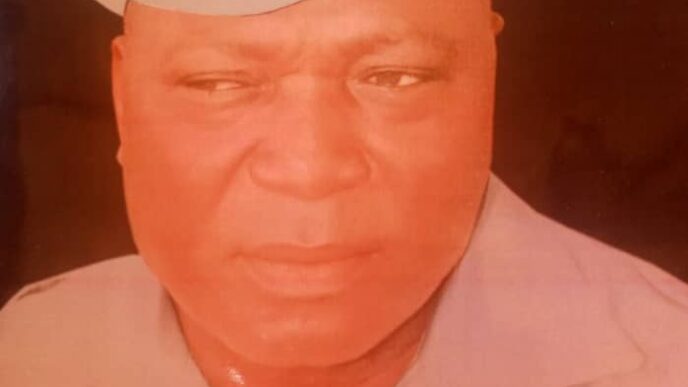
The Senator representing Kogi East, Jibrin Isah Echocho, has thrown his weight behind the proposed establishment of the Chartered Institute of Revenue and Fiscal Management of Nigeria, describing it as a necessary step toward addressing persistent gaps in the country’s revenue administration system.
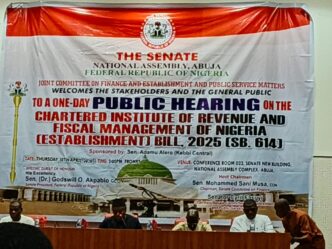
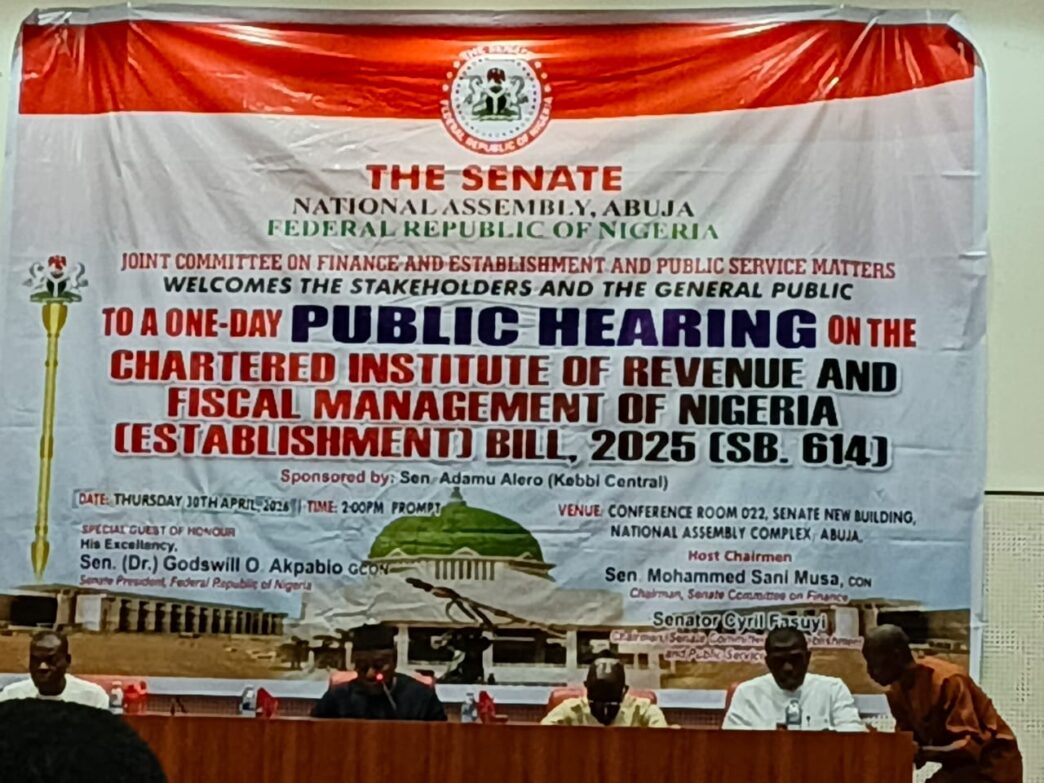
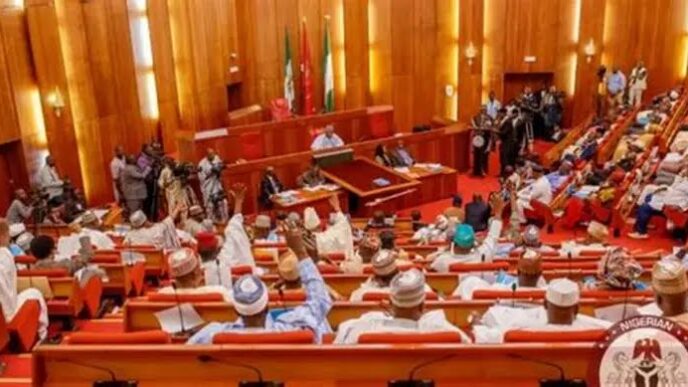
Speaking during a public hearing organised by the Senate Joint Committee on Finance, Establishment and Public Service, Senator Echocho acknowledged concerns raised by stakeholders but urged lawmakers not to discard the bill entirely.
According to him, Nigeria’s long-standing challenges with revenue collection, leakages, and fiscal management require more specialised and modern institutional responses beyond the capacity of existing structures.
“There are existing institutions, but their programmes remain largely unchanged. The issue of revenue leakage persists, and this reflects inefficiencies that must be addressed,” he said.
Echocho noted that the proposed institute would serve as a professional platform to train and equip personnel in revenue administration and fiscal policy management, ultimately improving efficiency across government agencies.
While admitting that certain aspects of the bill require refinement, he stressed that such concerns should be addressed through legislative processes rather than being used as grounds to halt the initiative.
“There are areas that need to be worked on, but that should not weaken the entire bill. Public hearings like this are meant to address those concerns and improve the proposal,” he added.
.He further dismissed fears that the new institute would lead to job losses or duplication of roles, clarifying that its primary objective is capacity building and strengthening existing systems.
“This is not about taking away jobs. It is about training and enhancing the efficiency of those already in the system, ensuring better revenue generation and fiscal management,” he said.
Echocho also argued that if properly structured, the institute would not place significant financial strain on government resources but instead contribute to a more effective economic system.
His position comes amid strong opposition from several stakeholders who warned against the proliferation of professional bodies.
At the hearing, the Auditor-General of the Federation, Shaakaa Kenyitor Chira, advised the Senate to prioritise strengthening existing institutions rather than creating new ones, citing risks of duplication.
Similarly, the incoming President of the Institute of Chartered Accountants of Nigeria, Queensley Sofuratu Seghosime, warned that the proposed institute could trigger regulatory fragmentation and weaken professional standards.
Other stakeholders, including representatives of the Chartered Institute of Treasury Management and taxation advocacy groups, also called for the bill to be halted, citing policy inconsistencies and institutional rivalry.
Despite the pushback, some organisations such as the Fiscal Responsibility Commission expressed support for the bill, aligning with the Senate’s position that the institute would enhance professionalism and strengthen ethical standards in revenue management.
Earlier, Senate President Godswill Akpabio, represented by Tony Nwoye, said the bill is aimed at institutionalising professionalism and promoting capacity development in Nigeria’s critical revenue sector.
Also speaking, the Chairman of the Joint Committee, Sani Musa, represented by Adamu Aliero, explained that the proposed institute would regulate and advance standards in revenue and fiscal management practice nationwide.
As deliberations continue, Senator Echocho’s intervention signals growing legislative support for the bill, even as the Senate faces the challenge of balancing reform with concerns over institutional overlap.
The bill is expected to undergo further scrutiny as lawmakers consider stakeholder inputs before making a final decision.


GIPHY App Key not set. Please check settings