


By Jane Salihu
The Independent National Electoral Commission (INEC) has declared that it will vigorously defend its constitutional authority to regulate electoral activities ahead of the 2027 General Election, announcing that it has appealed recent court judgments that questioned aspects of its election timetable.
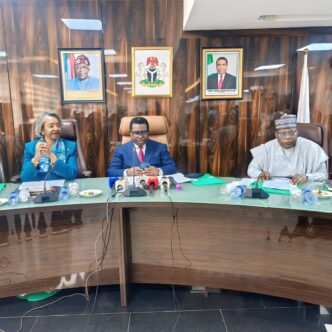
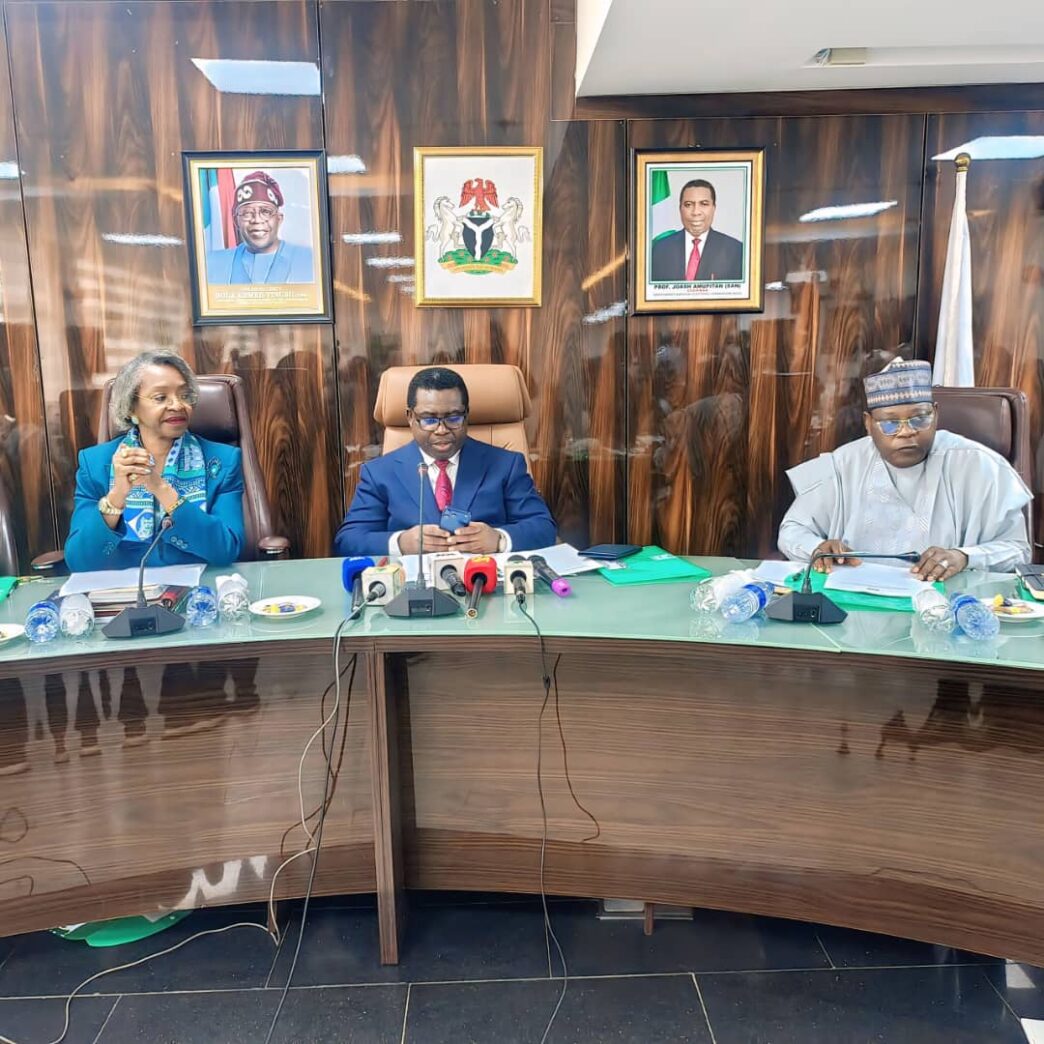
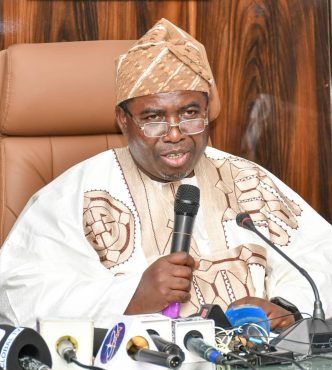
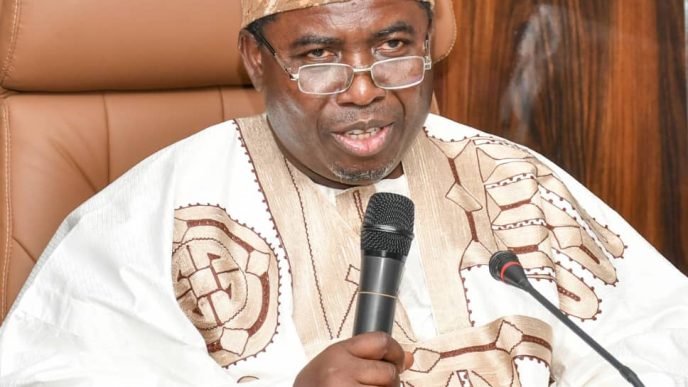
INEC Chairman, Professor Joash O. Amupitan (SAN), made the disclosure on Tuesday in Abuja during the Commission’s Second Quarterly Consultative Meeting with leaders of political parties, where he also reaffirmed the Commission’s commitment to conducting free, fair, credible and peaceful elections.
Amupitan said the Commission was compelled to seek clarification from the appellate courts following conflicting judgments of the Federal High Court on the extent of INEC’s powers to prescribe timelines for critical electoral processes.
According to him, while one court questioned aspects of the Commission’s Timetable and Schedule of Activities for the 2027 General Election, another judgment affirmed INEC’s authority to issue election timelines but nullified some provisions relating to the nomination and substitution of candidates.
“In view of the differing conclusions reached in the judgments and in order to ensure certainty and stability in preparations for the 2027 General Election, the Commission has filed appeals against the decisions and has taken the necessary legal steps to obtain authoritative pronouncements from the Appellate Courts,” he said.
The INEC Chairman maintained that election planning involves a chain of interconnected activities that must operate within a coordinated framework to guarantee transparency, efficiency and fairness to all political parties.
He explained that several critical electoral processes, including party membership verification, monitoring of primaries, candidate nominations, ballot production, deployment of election materials, voter education and configuration of the Bimodal Voter Accreditation System (BVAS), require timelines even where such timelines are not expressly provided by law.
Amupitan warned that the absence of a harmonised electoral calendar could create uncertainty, disrupt preparations and undermine the Commission’s constitutional responsibility to organise elections effectively.
The INEC boss also disclosed that preparations for the Ekiti State Governorship Election scheduled for June 20 were on course, with 1,059,360 registered voters expected to participate in the poll.
He said the figure includes 66,664 newly registered voters added through the Continuous Voter Registration exercise, while 2,103 cases of double registration had been detected and removed from the voter register.
According to him, all logistics, election technology deployment, training of officials and stakeholder engagements are progressing according to schedule, with plans in place to ensure the simultaneous opening of 2,445 polling units across the state’s 16 local government areas.
The Commission also confirmed that bye-elections would be conducted on the same day in six constituencies across Enugu, Nasarawa, Rivers, Ondo, Kano and Kebbi states.
Amupitan further urged political parties to comply with timelines for the Osun State Governorship Election scheduled for August 15 and prepare for the candidate nomination phase of the 2027 General Election.
He announced that political parties would receive official access codes on June 26 to enable them upload candidates’ details through the Commission’s automated nomination portal.
The INEC Chairman also expressed concern over the growing number of court cases involving party leadership disputes, describing them as unnecessary distractions capable of undermining preparations for future elections.
Meanwhile, the Inter-Party Advisory Council (IPAC) called for a comprehensive review of the Electoral Act 2026, arguing that the exclusion of indirect primaries from the candidate nomination process created serious challenges for political parties during the recently concluded primaries.
IPAC National Chairman, Dr. Yusuf Mamman Dantalle, said many parties faced significant financial, logistical and administrative difficulties in conducting direct primaries and consensus arrangements, leading to disputes and litigation.
He maintained that political parties should be allowed the flexibility to determine the most suitable method of selecting candidates, provided such processes remain democratic and transparent.
Dantalle also expressed concern over conflicting judicial pronouncements affecting electoral preparations and urged all stakeholders to work towards restoring public confidence in the electoral process ahead of the 2027 elections.
Both INEC and political parties agreed on the need for peaceful elections, issue-based campaigns and strict adherence to democratic principles as the country begins preparations for another electoral cycle.





GIPHY App Key not set. Please check settings