


By Jane Salihu
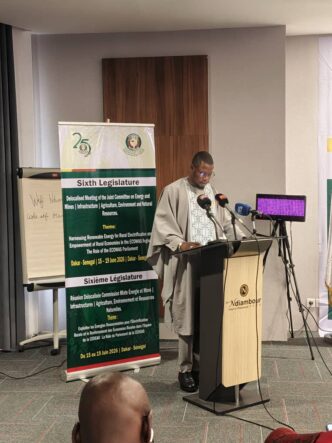
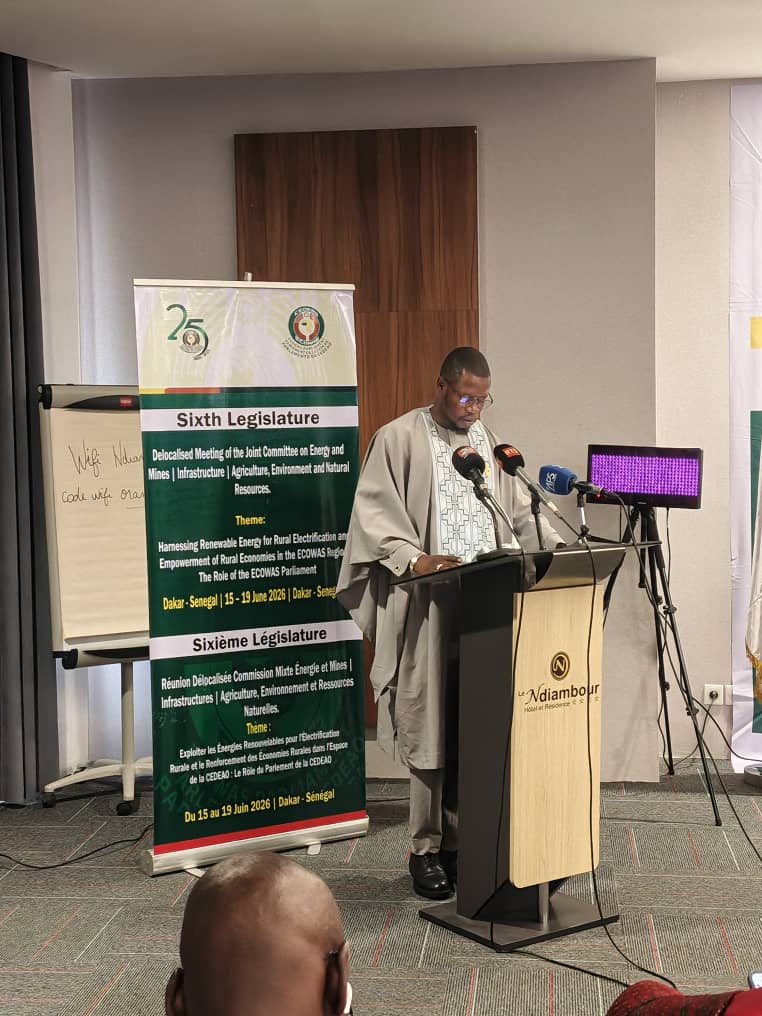
The President of Senegal’s National Assembly on Monday called for stronger regional cooperation and legislative action to expand renewable energy across rural West Africa.
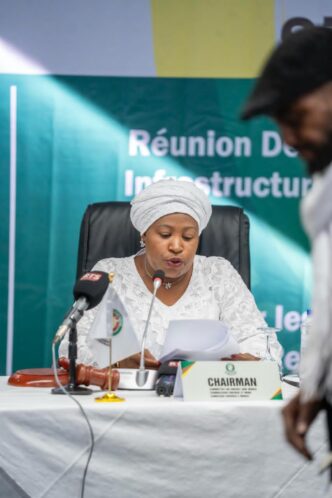
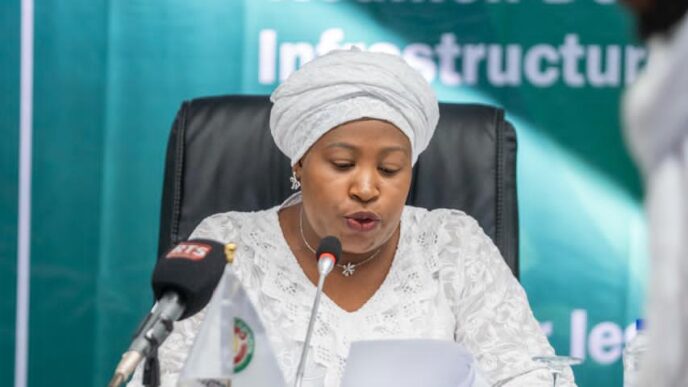
Represented by Hon. Babacar Ndiaye, Chairman of the Committee on Energy and Mineral Resources, the parliamentary leader told participants at the ECOWAS Parliament’s Delocalized Joint Committee Meeting in Dakar that electrification remains one of the most effective tools for empowering farmers, supporting entrepreneurs, improving healthcare and creating opportunities for young people in rural communities.
Speaking at the opening of the five-day meeting themed “Harnessing Renewable Energy for Rural Electrification and Empowerment of Rural Economies in the ECOWAS Region: The Role of the ECOWAS Parliament,” Ndiaye described energy as the foundation of industrialization, economic competitiveness and social development.
He noted that while significant progress has been recorded across the region, millions of West Africans still lack reliable access to electricity, a situation he said continues to limit economic opportunities and widen inequalities between urban and rural populations.
According to him, ECOWAS member states possess abundant solar, wind, hydroelectric and biomass resources that can be harnessed to build a resilient energy future capable of transforming rural economies and improving the living conditions of citizens.
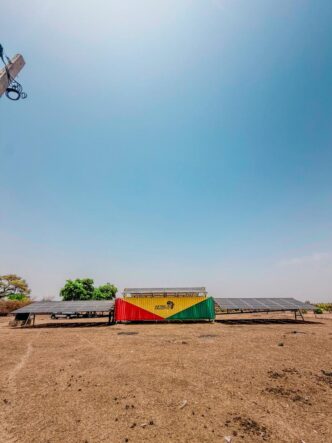
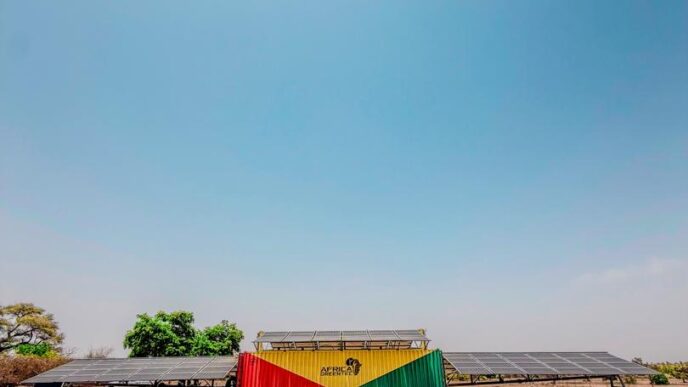
Highlighting examples from across the sub-region, Ndiaye pointed to Senegal’s solar power projects in Bokhol, Malicounda, Kahone and Sakal, as well as renewable energy initiatives in Cape Verde, Ghana, Niger and Côte d’Ivoire, as evidence that sustained political commitment and strategic investments can accelerate rural development.
He stressed that national parliaments and the ECOWAS Parliament have a responsibility to enact laws that encourage investment in renewable energy, support universal access to electricity and promote the harmonization of regional energy policies.
“Behind every electrified village are more productive farms, more competitive businesses, better-equipped schools, more efficient health centres and populations regaining hope for a better future,” he said.
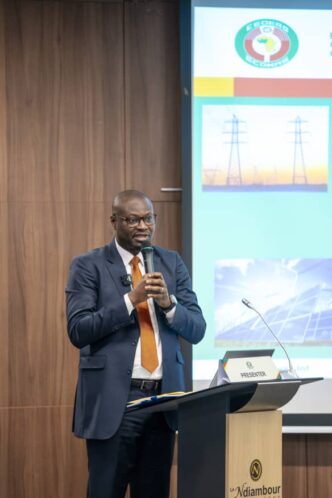
Also speaking, the representative of Senegal’s Minister of African Integration, Foreign Affairs and Senegalese Abroad, Mr. Mamadou Moustapha Seck, commended the ECOWAS Parliament for placing renewable energy and rural development at the centre of its deliberations.
Seck, who serves as Deputy Director of the ECOWAS National Office, said lawmakers occupy a strategic position in accelerating the implementation of policies aimed at achieving universal access to energy within the Community by 2030.
He described renewable energy as a cleaner, more affordable and environmentally sustainable alternative to conventional energy sources, urging member states to intensify efforts toward energy transition and greater energy security.
While acknowledging the progress made by ECOWAS institutions in advancing regional energy integration, Seck cited the work of the ECOWAS Centre for Renewable Energy and Energy Efficiency, the ECOWAS Regional Electricity Regulatory Authority and the West African Power Pool (WAPP).
He, however, expressed concern over the financial challenges confronting WAPP, revealing that the regional electricity transmission body is facing a serious funding crisis resulting from declining contributions from member companies.
The ECOWAS official called on parliamentarians to advocate for urgent measures to address the situation, warning that the sustainability of regional energy cooperation depends on the viability of key institutions.
In another keynote address, the representative of Senegal’s Minister of Energy, Petroleum and Mines reaffirmed the country’s commitment to achieving universal access to electricity by 2029 through a combination of national grid expansion, solar mini-grids and off-grid renewable energy solutions.
The minister’s representative described decentralized solar energy systems as a practical and cost-effective solution for remote communities where extending conventional electricity networks remains technically difficult and financially burdensome.
He said the large-scale deployment of solar mini-grids and solar home systems presents West Africa with a historic opportunity to bridge the energy gap, stimulate local economies and promote social inclusion.
According to him, the challenges of financing, technology transfer, infrastructure development and regulatory reforms require stronger regional cooperation, innovative financing mechanisms and harmonized legislative frameworks capable of attracting private-sector investment.
He further noted that the ECOWAS Parliament has a critical role to play in creating an enabling environment for renewable energy investments and ensuring equitable access to electricity across member states.
The speakers unanimously agreed that the achievement of universal energy access and sustainable rural development will require coordinated efforts among governments, legislatures, development partners, financial institutions, private investors and local communities.
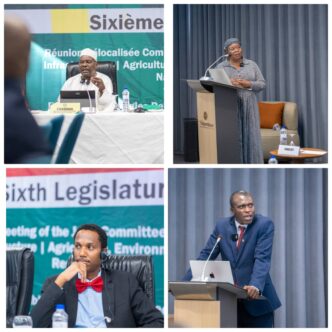
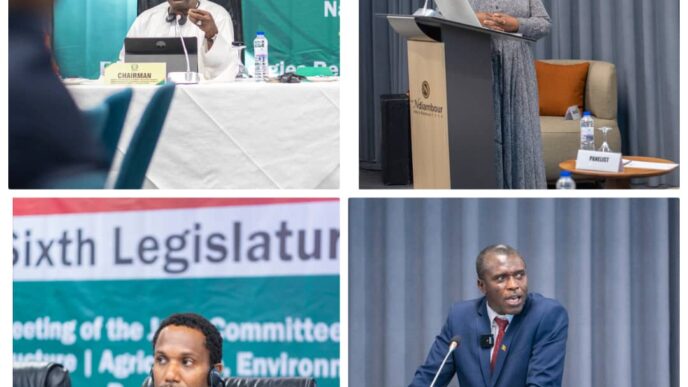
The Dakar meeting, which runs until June 19, is expected to examine regional energy policies, assess the state of renewable energy development across the ECOWAS region and formulate recommendations aimed at accelerating rural electrification and strengthening rural economies throughout West Africa.
GIPHY App Key not set. Please check settings