


By Jane Salihu
Dakar, Senegal
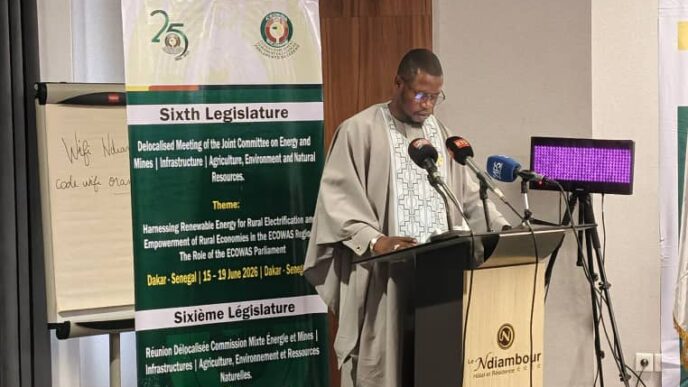
The ECOWAS Parliament on Monday commenced its five-day Delocalized Joint Committee Meeting in Dakar, Senegal, with a strong call for accelerated investment in renewable energy as a pathway to rural electrification, economic transformation, and sustainable development across West Africa.
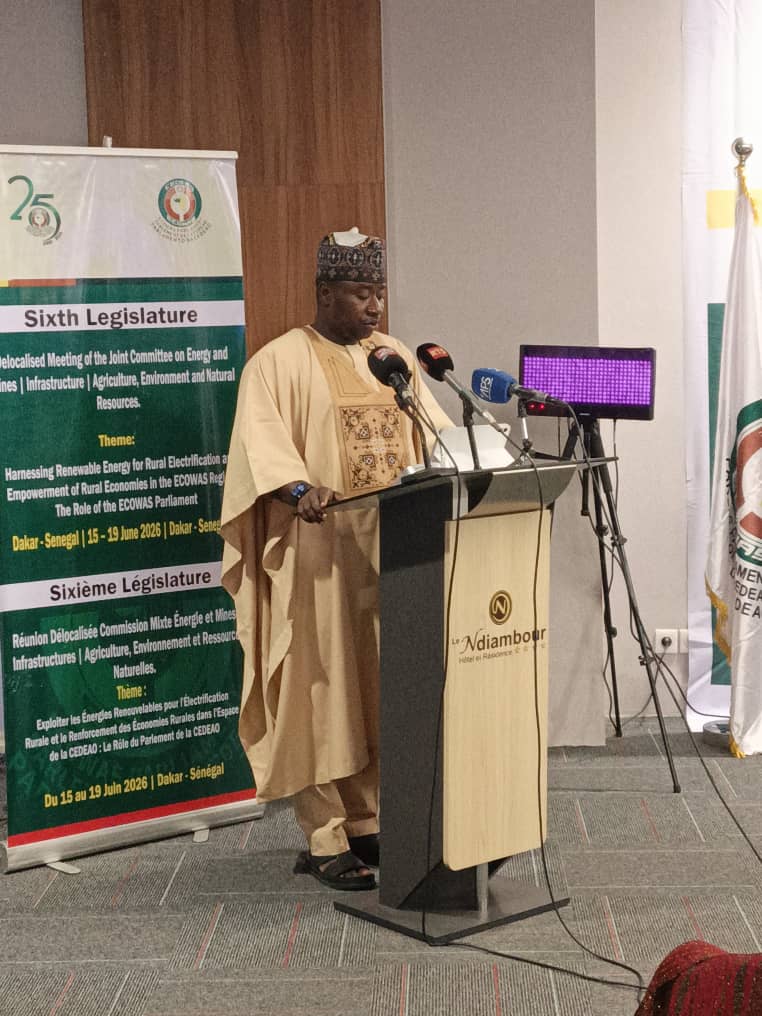
The meeting, which brings together lawmakers, government officials, energy experts, development partners, and private sector stakeholders, is being held under the theme: “Harnessing Renewable Energy for Rural Electrification and Empowerment of Rural Economies in the ECOWAS Region: The Role of the ECOWAS Parliament.” Discussions are focused on addressing the region’s persistent energy deficit despite its vast renewable energy potential, while exploring legislative, financial, and policy measures to expand electricity access to underserved rural communities.
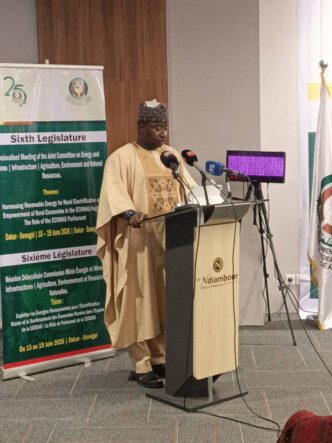
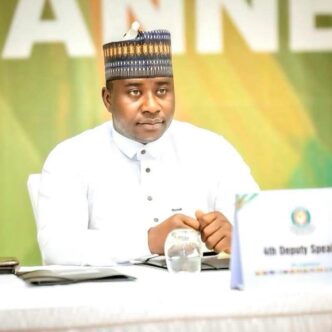
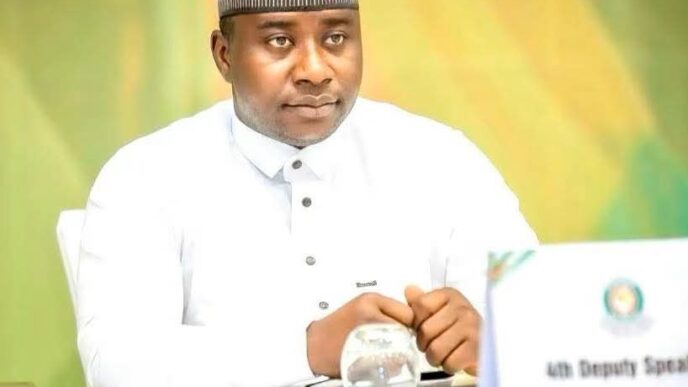
Declaring the meeting open on behalf of the Speaker of the ECOWAS Parliament, Rt. Hon. Hadja Memounatou Ibrahima, the Fourth Deputy Speaker, Hon. Billay Tunkara, said renewable energy must go beyond meeting electricity needs and serve as a catalyst for empowering rural economies across the sub-region.
“Renewable energy is not merely a technical response to electricity demand. It is a key driver in transforming economic activities, particularly in rural areas,” he said.
He commended Senegal’s commitment to energy transition and paid tribute to President Bassirou Diomaye Faye’s vision for energy sovereignty, noting that investments in solar energy and diversification of the country’s energy mix have expanded electricity access to hundreds of rural households.
According to him, “Together, let us make rural electrification through renewable energy a catalyst for the economic empowerment of women, young people and farmers. Access to clean energy is a fundamental right, a factor in social peace and a driver of sustainable development.”
The Speaker further urged ECOWAS member states to strengthen support for renewable energy initiatives through innovative financing mechanisms, technology transfer, local manufacturing, and legislative oversight to ensure the effective implementation of regional energy policies.
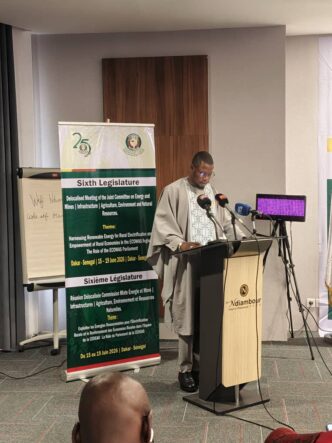
In his welcome address, the Head of the Senegalese Delegation to the ECOWAS Parliament, Hon. Guy Marius Sagna, described the meeting’s theme as a call to action for the region to achieve energy sovereignty and accelerate development.
“Our country, the Republic of Senegal, is deeply honored and truly enthusiastic to host this meeting, whose theme resonates particularly strongly as a call to action. A call to make the development of renewable energy a key component of our energy sovereignty,” Sagna said.
He noted that despite ECOWAS possessing abundant renewable energy resources, rural electricity access remains extremely low, stressing the need for collective efforts to bridge the gap between available resources and their utilization.
“The figures speak for themselves. In our ECOWAS region, access to electricity for rural households is still capped at around 12 percent, while our region boasts exceptional solar potential. This gap between our resources and their exploitation is a challenge that we must collectively and urgently address,” he added.
Sagna also used the opportunity to advocate what he described as a “sovereign revolution” for West Africa, arguing that energy independence remains central to tackling poverty, unemployment, food insecurity, and underdevelopment across the region.
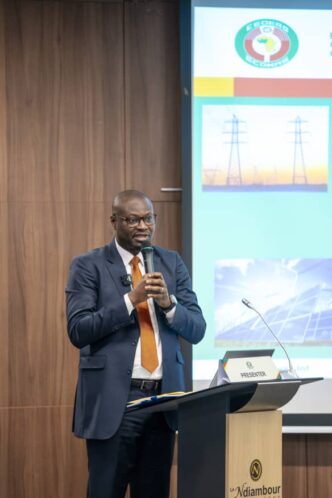
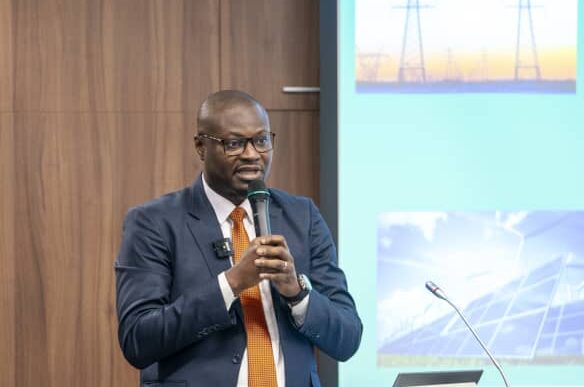
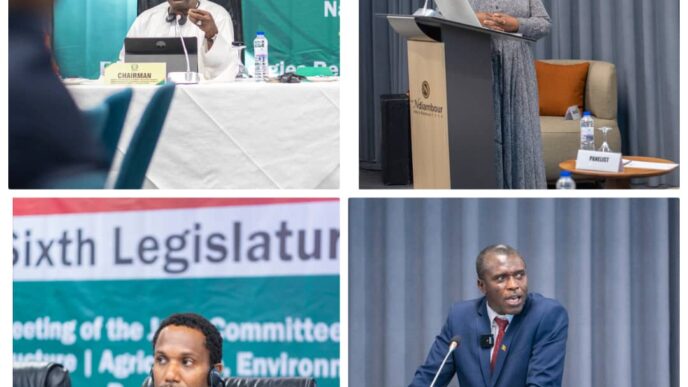
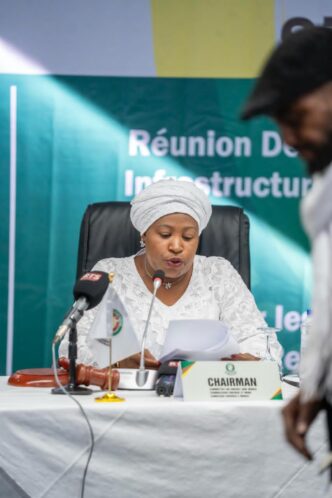
Earlier, Chair of the Joint Committee on Energy and Mines, Agriculture, Environment and Natural Resources, and Infrastructure, Hon. Fanta Conte, said the meeting was convened in response to the growing imbalance between energy demand and supply within the ECOWAS region.
“Less than 40 percent of the rural population has access to electricity. In some of our Member States, this rate falls below 10 percent in the most remote areas,” she said.
Conte stressed that the consequences of inadequate electricity access are far-reaching, affecting healthcare delivery, agricultural productivity, education, and income-generating opportunities for millions of rural residents, particularly women and young people.
“Our role is to ensure that commitments made at the regional level, particularly the ECOWAS Renewable Energy Policy and the Energy Efficiency Action Plan, are effectively transposed into national legislation and, above all, implemented on the ground,” she stated.
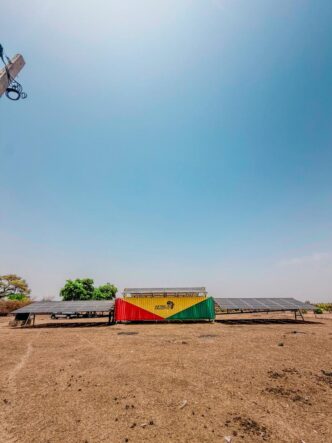
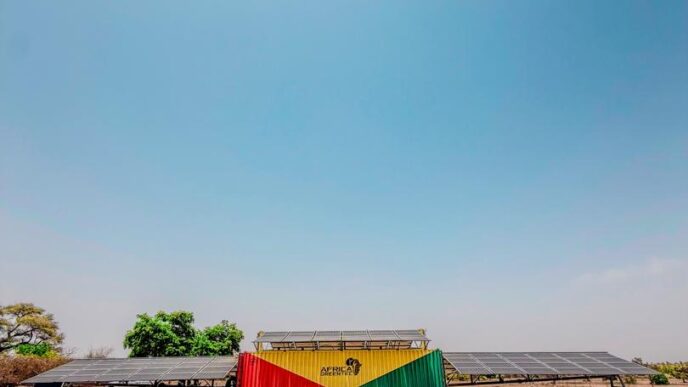
She expressed confidence that the five-day deliberations, including a field visit to renewable energy projects in Mboursine village, would produce practical recommendations capable of advancing rural electrification and sustainable development throughout the ECOWAS region.
The meeting continues through June 19 with technical presentations, stakeholder engagements, and site visits expected to shape future parliamentary recommendations on renewable energy development and rural economic empowerment in West Africa.
GIPHY App Key not set. Please check settings