


By Janet Samuel
DAKAR, Senegal .
Despite possessing some of the world’s most abundant energy resources, West Africa continues to grapple with inadequate electricity supply, low access rates and high transmission costs, prompting the Economic Community of West African States (ECOWAS) to pursue an ambitious strategy aimed at transforming the region’s natural wealth into reliable and sustainable energy.
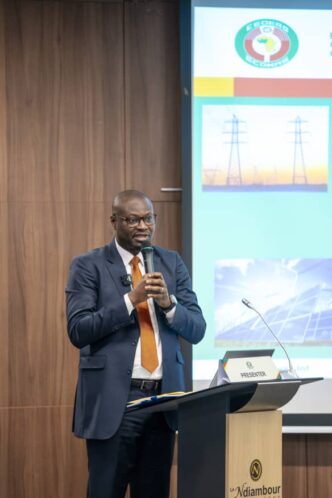
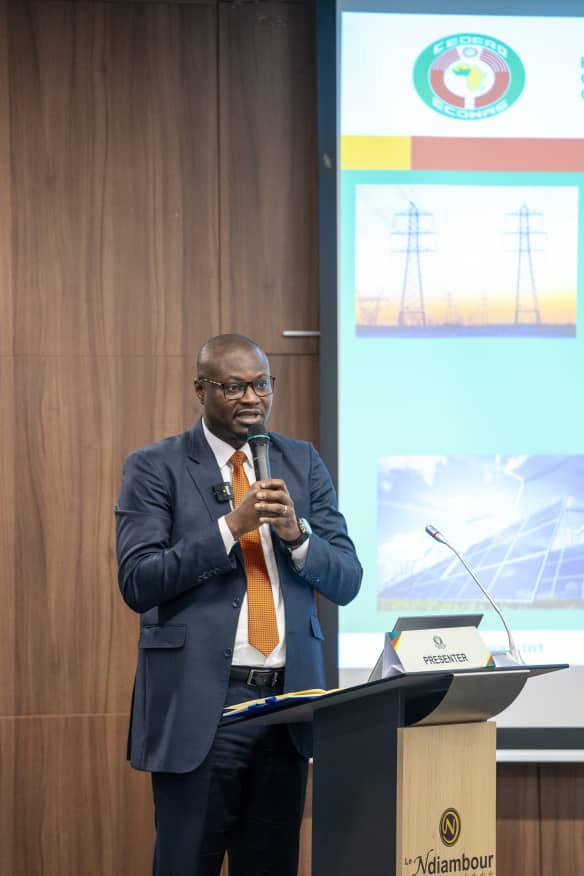
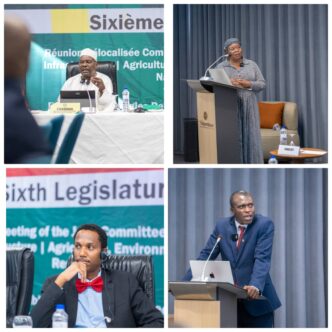
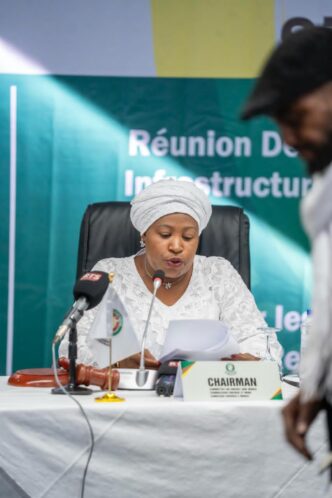
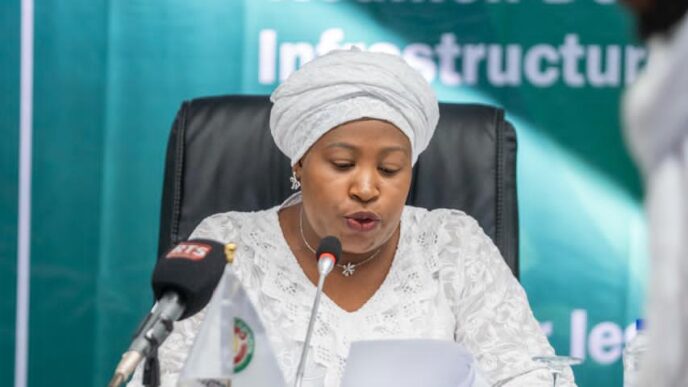
This formed the focus of a presentation by Mr. Koumoin Arbaduis, Acting Head of Conventional Energy at the ECOWAS Directorate of Energy and Mines, during the ongoing delocalized joint meeting of the Committees on Energy and Mines; Infrastructure; and Agriculture, Environment and Natural Resources of the ECOWAS Parliament in Dakar, Senegal.
Presenting on “ECOWAS Regional Energy Policies and Key Energy Statistics,” Arbaduis said the region’s rich endowment of oil, natural gas, biomass resources, uranium, mineral coal and an estimated 25,000 megawatts of hydroelectric potential contrasts sharply with persistent power shortages and limited access to electricity.
He identified insufficient generation capacity, low electricity access rates, high technical and commercial losses, expensive power generation and transmission, and heavy dependence on petroleum products as some of the major challenges confronting the region.
According to him, ECOWAS has adopted a series of policies and frameworks to address these constraints and promote sustainable energy development across member states.
He noted that the inaugural ECOWAS Energy Policy, adopted in 1982 following the global oil crises of the 1970s, laid the foundation for regional cooperation in energy supply, grid integration and petroleum exploration.
Arbaduis explained that the 2003 ECOWAS Energy Protocol provided the legal framework for long-term cooperation, investment and trade in the sector, while creating the basis for the West African Power Pool initiative.
He further highlighted the 2006 ECOWAS/UEMOA White Paper on Access to Energy Services for Rural and Peri-urban Populations, which sought to expand access to electricity and modern energy services in underserved communities.
The Acting Head of Conventional Energy said the ECOWAS Renewable Energy Policy and the Energy Efficiency Policy, both adopted in 2013, were designed to increase the share of clean energy in the regional electricity mix, reduce energy losses and promote access to improved cooking facilities.
He also outlined the objectives of the ECOWAS Bioenergy Policy and the Policy for Gender Mainstreaming in Energy Access, both adopted in 2017, stressing that sustainable energy development must be inclusive and ensure equal participation of women and men in the sector.
On emerging energy technologies, Arbaduis pointed to the ECOWAS Green Hydrogen Policy Framework and Strategy adopted in 2023, which seeks to position West Africa among the world’s most competitive producers and suppliers of green hydrogen. The initiative targets the production of at least 0.5 million tonnes of green hydrogen by 2030.
He disclosed that the updated ECOWAS Energy Policy, adopted in July 2023, responds to changing economic, technological and climate realities and aims to improve governance, guarantee universal access to affordable and reliable electricity, diversify energy sources, promote energy efficiency and expand access to clean cooking solutions.
Arbaduis said the overarching vision is to build “a community with access to modern, reliable and sustainable energy services for improved living standards and socio-economic development.”
The five-day delocalized meeting, which began on June 15, is being held under the theme, “Harnessing Renewable Energy for Rural Electrification and Empowerment of Rural Economies in the ECOWAS Region: The Role of the ECOWAS Parliament.”
GIPHY App Key not set. Please check settings