


Jane Salihu
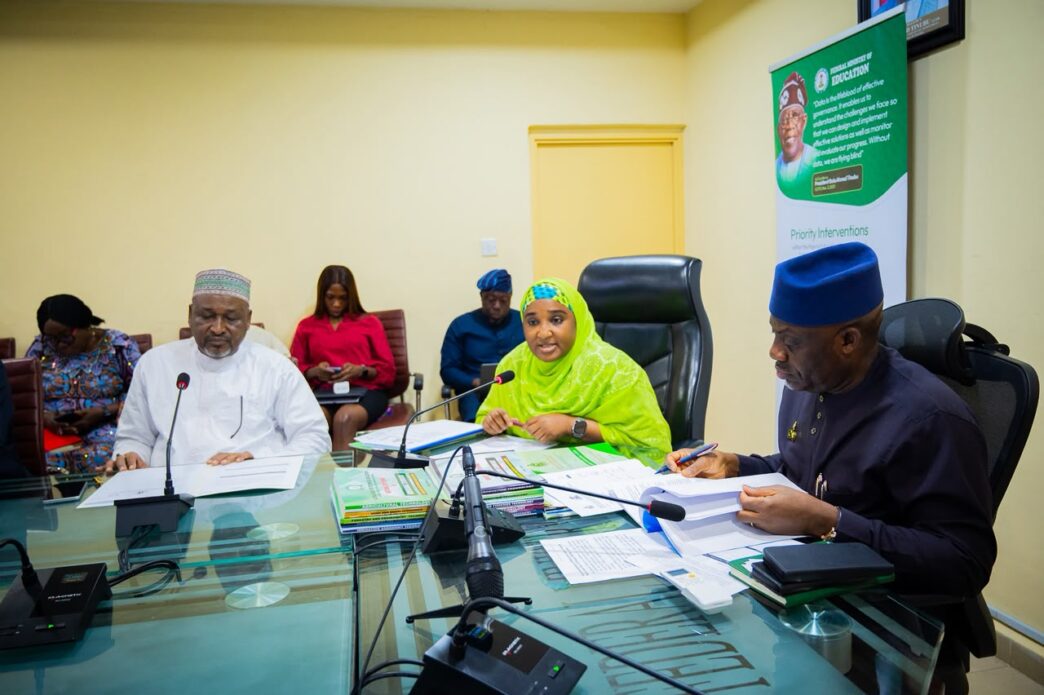
The Federal Government has commenced plans to overhaul the Monotechnic and Technical Education Board (MBTE) as part of efforts to make Nigeria’s polytechnic and technical education system more responsive to industry needs and employment opportunities.
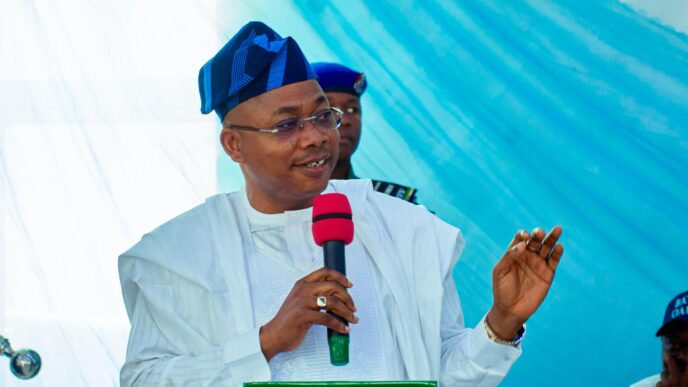
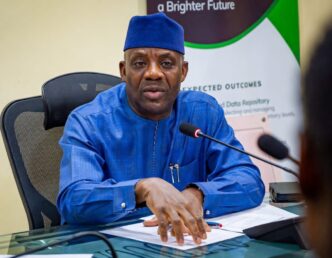
Minister of Education, Dr. Maruf Tunji Alausa, disclosed this while explaining that the restructuring, being undertaken with KPMG, is aimed at strengthening MBTE’s capacity to effectively supervise polytechnics, monotechnics and other institutions under its mandate.
Alausa said the exercise would go beyond an administrative restructuring, stressing that the government wants to build an agency capable of driving a skills-focused technical and vocational education and training (TVET) system in line with President Bola Ahmed Tinubu’s Renewed Hope Agenda.
According to him, the effectiveness of institutions responsible for supervising technical education is critical to achieving the Federal Government’s vision of producing a skilled workforce capable of supporting Nigeria’s economic development.
He explained that the KPMG-led assessment would identify institutional gaps and recommend changes to MBTE’s organisational structure, internal processes and operational framework.
The Minister said the reforms were also being driven by the need to reposition polytechnic education as an integral component of the country’s broader TVET ecosystem.
“Everything about the polytechnic is technical and vocational education and training. It is all about skills. We are simply discussing skills,” Alausa said.
He disclosed that the government was simultaneously reviewing polytechnic curricula and developing National Occupational Standards to bring technical education closer to practical skills, industry requirements, employment and entrepreneurship.
Alausa said the curriculum reform, supported with ₦1 billion from the Tertiary Education Trust Fund (TETFund), had produced 27 new National Occupational Standards, while four existing standards were reviewed, bringing the total to 31.
He noted that the standards were designed to create a clearer progression from artisan-level training to National Certificate, Ordinary National Diploma (OND) and Higher National Diploma (HND) programmes.
Alausa said the combined institutional restructuring and curriculum reforms would provide the foundation for a stronger MBTE capable of ensuring accountability, improving supervision and keeping technical education aligned with the changing needs of industry.
He reaffirmed the Ministry’s commitment to developing a TVET system centred on practical competence, employability and productivity, saying the ultimate goal was to produce a Nigerian workforce equipped to compete effectively in the global economy.
Providing further insight into the reform, KPMG Africa Partner and Head of Tax, Regulatory and People Services, Adewale Ajayi, said the assessment revealed significant challenges as well as considerable opportunities within Nigeria’s TVET system.
Ajayi said about 93 per cent of Nigeria’s workforce operates in informal employment, while approximately 12 per cent of young people are neither in education, employment nor technical training.
He, however, noted that Nigeria recorded strong employability outcomes for TVET graduates, ranking second only to Singapore among the markets assessed, suggesting that a properly structured system could play a greater role in addressing labour-market demands.
Ajayi also raised concerns over curriculum relevance, saying more than 55 per cent of the curricula assessed were outdated, with programmes across engineering, science, arts and design affected.
He identified funding limitations and the five-year curriculum review cycle among the factors contributing to the problem, while citing the recent review of the agriculture curriculum as a positive development.








GIPHY App Key not set. Please check settings