



Jane Salihu
The Independent National Electoral Commission (INEC) has stepped up preparations for the 2027 General Election, outlining plans to deploy about 1.4 million ad-hoc personnel to more than 176,000 polling units nationwide.
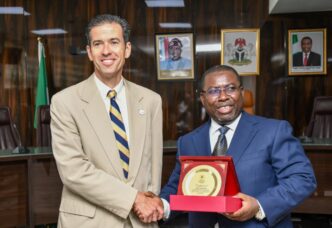
The Commission disclosed this on Tuesday in Abuja as its Chairman, Prof. Joash Amupitan, received a Pre-Election Assessment Mission of the International Republican Institute (IRI), led by its President, Amb. Dr. Dan Twining.
Amupitan said the Commission was strengthening its electoral infrastructure through continuous voter registration and register auditing, with the Automated Biometric Identification System (ABIS) to detect and eliminate duplicate voter records.
He also said INEC was working with transport unions to improve election-day logistics and ensure polling units open by 8:30 a.m., while measures were being expanded to improve access for persons with disabilities, pregnant women, nursing mothers and elderly voters.
According to him, the 2026 off-cycle elections, including the recently concluded Osun governorship poll, provided important opportunities for INEC to test its technology, logistics and security arrangements ahead of the 2027 elections.
He said the Bimodal Voter Accreditation System (BVAS) and INEC Result Viewing Portal (IReV) recorded more than 98 per cent upload rates in recent elections.
The INEC Chairman, however, identified insecurity, electoral violence, vote-buying, hate speech, disinformation and Foreign Information Manipulation and Interference as major threats to public confidence in the electoral process.
He said the Commission would continue to work with security and anti-corruption agencies to enforce electoral laws and deal with electoral offences.
Amupitan also called on political parties and candidates to make the 2027 campaign season a contest of ideas rather than hostility, urging them to present Nigerians with clear and measurable plans on the economy, security, infrastructure, healthcare, education and social development.
Speaking at the signing of the First National Peace Accord on Issue-Based Campaigns for the 2027 election later in the day, the INEC Chairman described elections as a democratic competition and not a war.
He urged political leaders to extend the spirit of the accord to their supporters at the state, local government, ward and grassroots levels, warning that political victory achieved at the expense of lives and public peace would amount to a hollow triumph.
The IRI President, Twining, commended INEC for the conduct of the Osun election and expressed the readiness of the international community to support Nigeria’s preparations for a peaceful, credible and democratic 2027 election.
Meanwhile, INEC has also directed its voter education and publicity officers across the country to intensify public communication as the Commission prepares to engage more than 100 million eligible voters.
National Commissioner and Chairman of the Information and Voter Education Committee, Mohammed Kudu Haruna, gave the directive at a joint meeting of the Voter Education and Publicity and Gender and Inclusivity departments in Abuja.
Haruna said the Commission’s communication strategy must be accurate, timely, consistent and responsive to the diverse needs of the Nigerian electorate.
He urged officers to build on the lessons from the Osun governorship election and strengthen grassroots voter sensitisation ahead of the presidential and National Assembly elections scheduled for January 16, 2027, and the governorship and State Assembly elections on February 6, 2027.
He said INEC’s preparations were focused not only on technology and logistics but also on ensuring that voters receive the right information at the right time.




GIPHY App Key not set. Please check settings