


By Jane Salihu
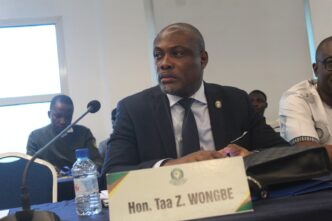
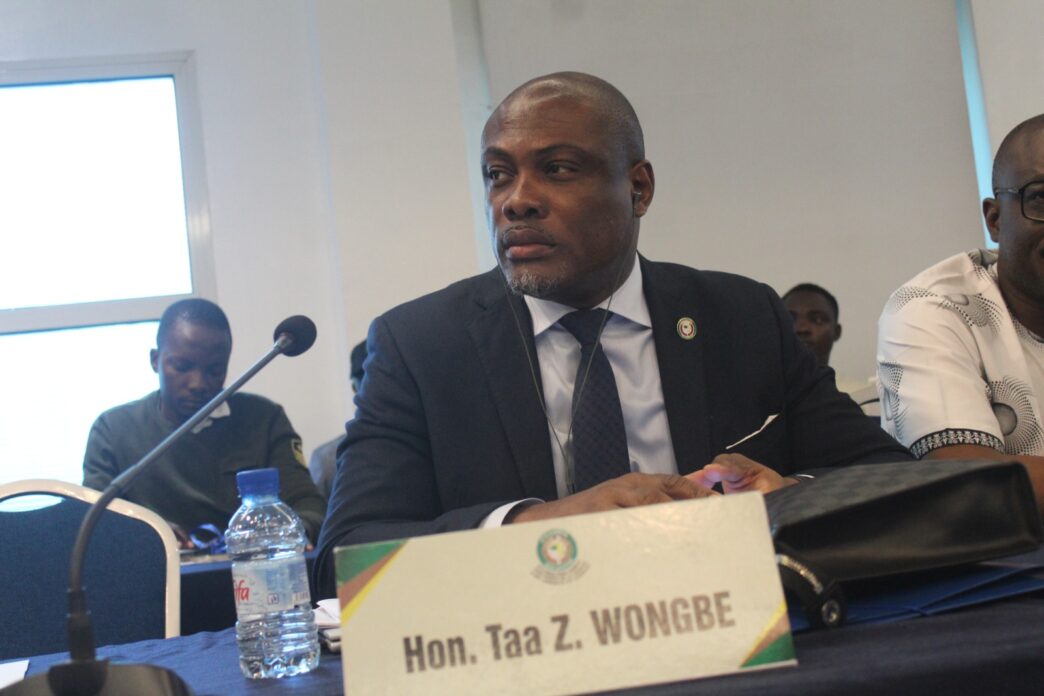
A member of the Liberian delegation to the ECOWAS Parliament, Taa Wongbe, has urged West African leaders to return to the founding economic objectives of the regional bloc, warning that persistent border bottlenecks and poor implementation of trade protocols are undermining economic integration.
Wongbe spoke with journalists on the sidelines of the delocalised meeting of the ECOWAS Parliament in Cotonou, Benin Republic, where lawmakers concluded deliberations on measures to strengthen regional trade and support Micro, Small and Medium Enterprises.
He said the Economic Community of West African States was established primarily to promote economic cooperation, trade and free movement of goods and people, but political issues had gradually overshadowed those objectives.
“The founding fathers knew that pushing economic integration would bring a lot of good to ECOWAS citizens. Today, political affairs have taken over what was meant to be an economic bloc,” he said.
Wongbe said observations during the parliament’s field visit exposed the realities faced by traders who encounter delays and multiple obstacles while moving goods across neighbouring West African countries.
He noted that businesses in the region still find it easier to export products to Europe and other international markets than to move goods freely among ECOWAS member states, contrary to the objectives of regional integration.
“Free movement of goods and services will create a booming economy. Why are we abandoning that vision? We need to return to the original purpose of ECOWAS by ensuring that our trade protocols are fully implemented,” he stated.
The lawmaker expressed concern over the time it takes to transport goods between countries such as Benin and Cote d’Ivoire, describing the situation as inconsistent with the ECOWAS Protocol on Free Movement.
He said removing unnecessary checkpoints, administrative bottlenecks and other barriers to cross-border trade would significantly improve regional commerce and unlock new opportunities for businesses.
Wongbe urged ECOWAS parliamentarians to go beyond conference-room discussions and undertake more field assessments to understand the experiences of traders and transporters operating along regional trade corridors.
“Sometimes we sit in meetings and make recommendations, but we need to go to the borders and experience what traders go through. Seeing those challenges first-hand will help us develop practical solutions,” he said.
He also called on national parliaments to complement regional resolutions with legislative actions to address policy gaps, and urged governments to strengthen oversight of border operations to ensure compliance with ECOWAS trade and free movement protocols.
According to him, officials responsible for border administration must be held accountable where their actions hinder legitimate trade or frustrate regional integration.
Wongbe warned that regional meetings would lose relevance if recommendations adopted by lawmakers were not implemented by member states.
He urged ECOWAS institutions and national governments to translate parliamentary resolutions into measurable actions capable of improving cross-border trade, enhancing economic integration and delivering tangible benefits to citizens.
He added that effective implementation of ECOWAS trade protocols remained one of the fastest ways to boost intra-regional trade, create jobs and strengthen the economies of West African countries.

GIPHY App Key not set. Please check settings