


Jane Salihu
The Nigerian Ports Authority (NPA) has unveiled plans to commence the modernisation of the Apapa Port and Tin Can Island Port as part of efforts to improve operational capacity and strengthen Nigeria’s competitiveness in global maritime trade.
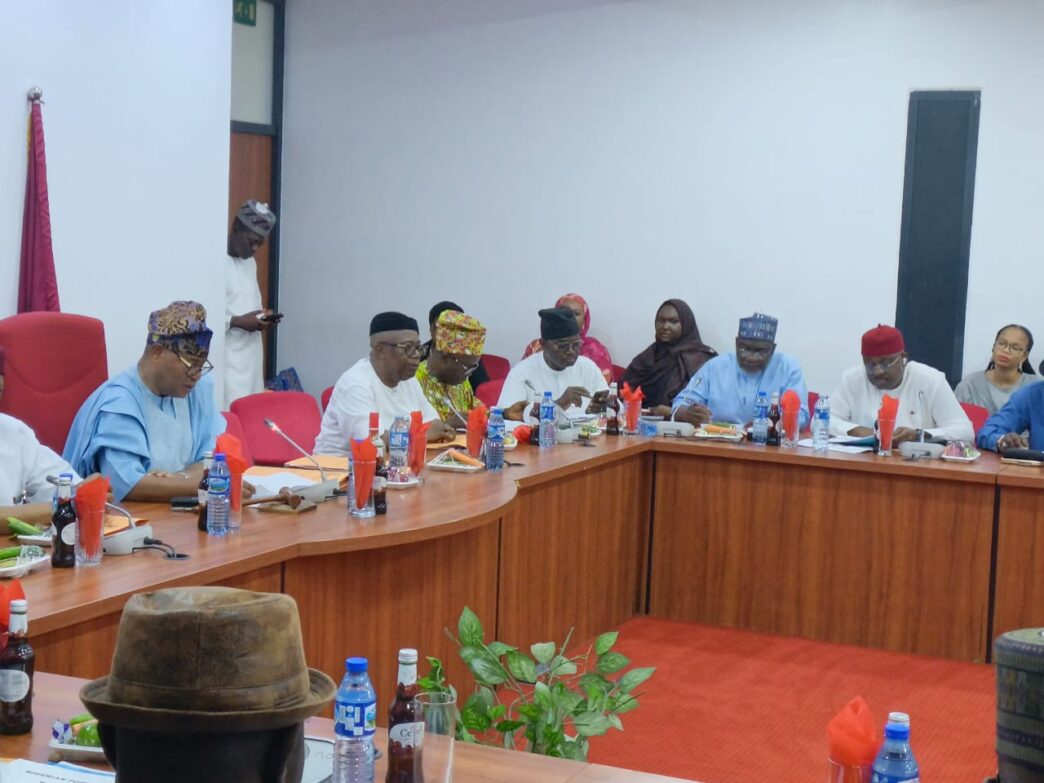
Managing Director of the authority, Abubakar Dantsoho, disclosed this on Monday while presenting the agency’s 2026 budget proposal to the Senate Committee on Marine Transport.
According to him, the planned port modernisation projects are expected to begin within the next few weeks and are designed to upgrade aging infrastructure at the two major ports in Lagos.
Dantsoho explained that both facilities require significant upgrades due to their age and capacity limitations. He noted that Apapa Port is about 100 years old, while Tin Can Island Port has been in operation for over 50 years, adding that the existing infrastructure is no longer sufficient for modern port operations and increasing maritime traffic.
The NPA boss said the projects would form a key part of the agency’s strategy to enhance efficiency, attract more shipping activities and increase revenue generation.
As part of its financial projections, the authority is targeting an internally generated revenue of N1.489 trillion for the 2026 fiscal year. The figure represents an increase of N21 billion compared to the N1.468 trillion revenue target set for 2025, which the agency exceeded with an actual collection of about N1.97 trillion.
Breakdown of the 2026 proposal shows that N945 billion is allocated for capital projects, N447.5 billion for operational expenses, and N90.6 billion to be remitted into the Consolidated Revenue Fund.
Dantsoho further explained that the proposed budget is guided by the theme “Consolidation, Renewed Resilience and Shared Prosperity,” with port modernisation identified as a major driver of improved performance in the sector.
He also clarified that revenues generated by the authority are paid directly into the Central Bank of Nigeria through the Treasury Single Account policy.
“We do not retain any funds. All revenues go directly into the account controlled by the Central Bank, and we apply for funds whenever they are required,” he said.
In his remarks, Chairman of the Senate Committee on Marine Transport, Wasiu Eshinlokun, said the committee’s oversight responsibilities are aimed at strengthening the agency and ensuring transparency in the use of public funds.
According to him, the committee seeks to collaborate with the authority to improve efficiency, build institutional capacity and ensure that public resources are effectively utilised in the national interest.
GIPHY App Key not set. Please check settings