


Jane Salihu
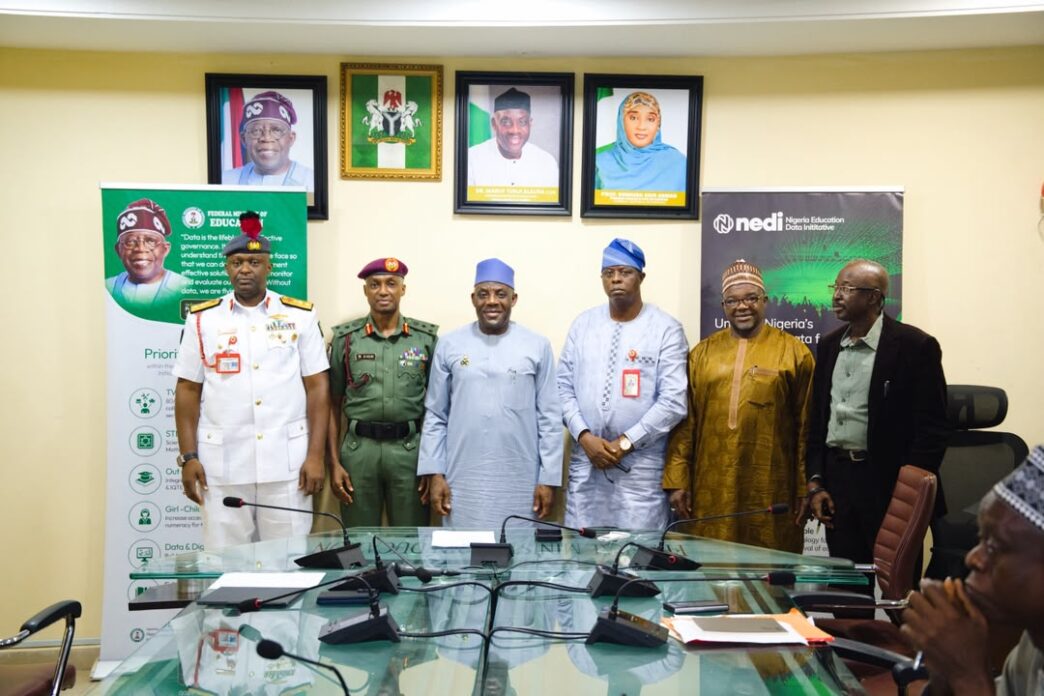
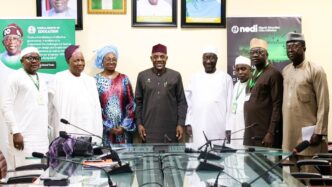
The Minister of Education, Dr Maruf Alausa, has inaugurated a Technical Working Group to fast-track the establishment of the Armed Forces College of Medicine and Health Sciences, with the Federal Government targeting admission of its pioneer students in the 2026 academic session.
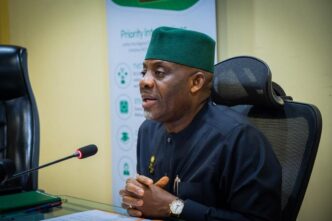
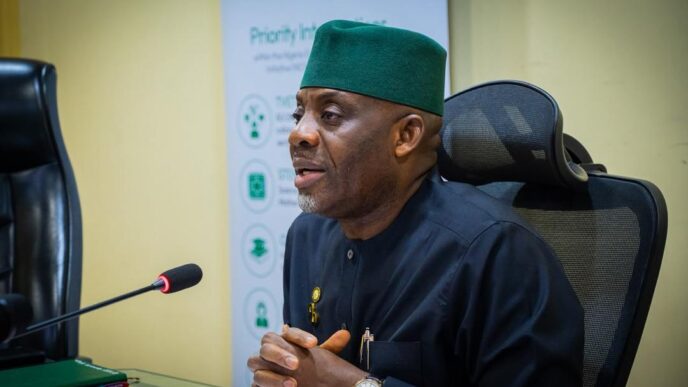
Speaking at the inauguration in Abuja on Friday, Alausa said the initiative was a major step towards strengthening the military healthcare system through the training of doctors, nurses and other specialised health professionals for the unique demands of military service.
He said the institution would address the Armed Forces’ long-standing dependence on civilian universities for medical manpower by creating a sustainable pipeline of healthcare professionals equipped with academic and military competencies.
According to him, the inauguration of the working group signals the commencement of the implementation phase, following Federal Government approval for the specialised institution.
“We cannot continue to leave the brave men and women who defend our nation without a sustainable system for training the healthcare professionals they require. Neither can we continue to expect the Armed Forces to compete with the rest of the country for the limited number of doctors graduating from our universities,” Alausa said.
The minister said the establishment of the college aligns with President Bola Tinubu’s agenda of expanding medical education and strengthening the nation’s healthcare workforce.
He disclosed that annual admissions into Medicine and Dentistry have increased from about 5,000 before the current administration to 10,405, adding that government targets at least 20,000 in the next two years through accreditation of additional colleges of medicine.
Alausa also said enrolment in nursing programmes has risen from about 28,000 to nearly 120,000 nationwide, commending the Nursing and Midwifery Council of Nigeria for sustaining standards that continue to earn Nigerian nurses global recognition.
He, however, stressed that the Armed Forces require a purpose-built institution capable of producing healthcare professionals trained specifically for military operations and emergency response.
Alausa directed the committee to ensure that, beyond Medicine, the college offers specialised programmes such as Occupational Therapy, Prosthetics and Orthotics, Speech Therapy and other disciplines critical to treatment and rehabilitation of personnel injured in operations.
“This institution is not being established to compete with conventional universities. It is being established to make the Armed Forces self-sufficient in producing the healthcare professionals they require. Every programme should answer one simple question: Does the Armed Forces need it? If the answer is yes, then it should be prioritised,” he stated.
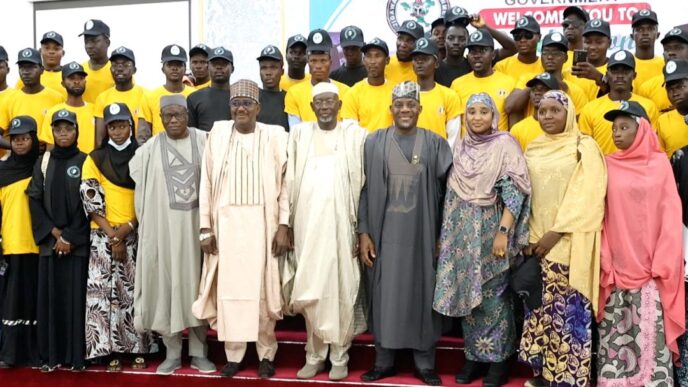
He said the committee comprises representatives of the Federal Ministry of Education, Ministry of Defence, National Universities Commission, Medical and Dental Council of Nigeria, Nursing and Midwifery Council of Nigeria, Nigerian Defence Academy and other relevant institutions.
The committee is mandated to develop academic curriculum, integrate military and academic training, coordinate accreditation, facilitate appointment of academic personnel and collaborate with the Joint Admissions and Matriculation Board to ensure successful commencement of academic activities in 2026.
The minister disclosed that he had engaged the JAMB Registrar to facilitate inclusion of the college on the admissions portal, while directing the NUC to expedite resource verification and accreditation ahead of take-off.
Chairman of the Technical Working Group and Director-General, Ministry of Defence Health Implementation Programme, Brig.-Gen. Idris Solebo, said the college is being modelled after the Uniformed Services University of the Health Sciences in the United States.
Solebo said students would receive integrated academic and military training from admission to graduation, preparing them in battlefield medicine, Tactical Combat Casualty Care and other specialised military healthcare competencies.
He said the college would be located within the vicinity of the 68 Nigerian Army Reference Hospital in Lagos, where existing infrastructure would support its immediate take-off, noting that the Armed Forces continue to face shortage of medical personnel.
Alausa expressed confidence in the committee’s work, assuring that the Federal Ministry of Education would continue to collaborate with the Ministry of Defence and other stakeholders to ensure successful take-off of the college and admission of the first batch of military medical cadets in the 2026 academic session.


GIPHY App Key not set. Please check settings