


Janet Salihu
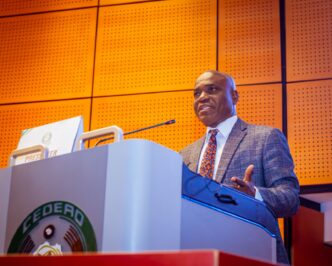
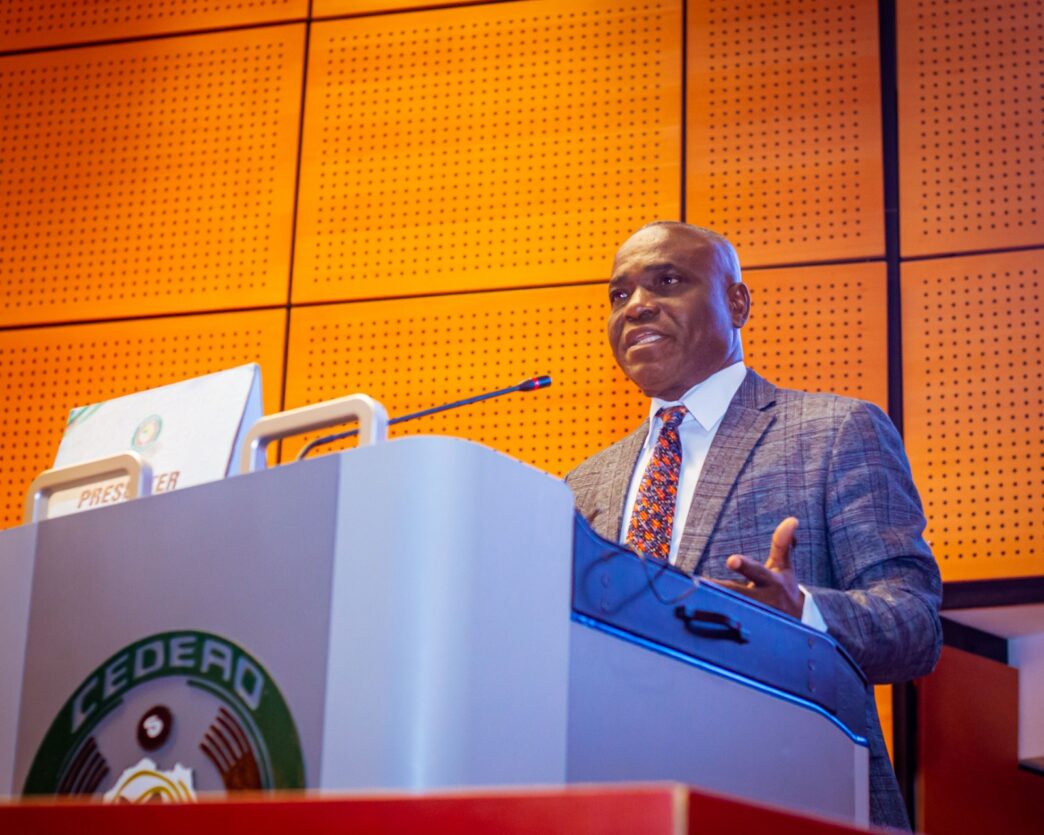
Former Nigerian Lawmaker, Senator Ita Enang, has advocated sweeping reforms to strengthen the mandate and legitimacy of the ECOWAS Parliament, calling for direct elections into the regional legislature and the inclusion of a one-year sunset clause in its legal framework.
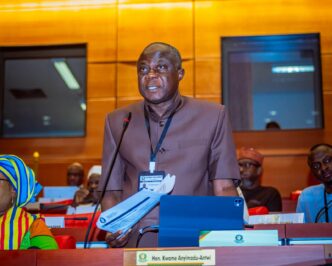
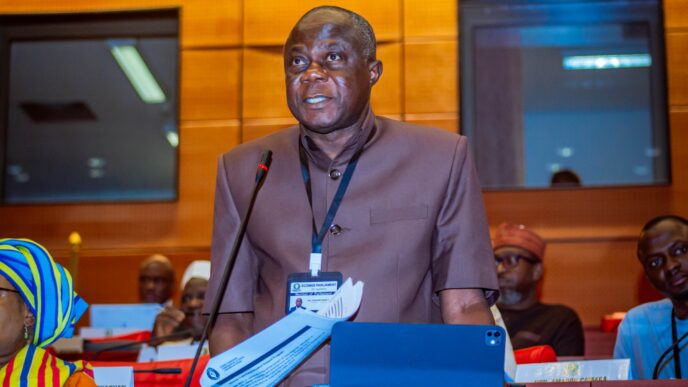
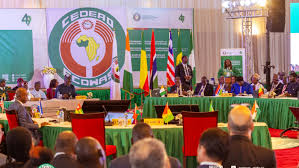
Speaking on Tuesday, during the ongoing extraordinary session and seminar of the ECOWAS Parliament in Abuja, Enang argued that democratic legitimacy is crucial if the Parliament is to effectively exercise oversight over regional trade instruments, particularly the African Continental Free Trade Area (AfCFTA).
He noted that the 2016 Act establishing the regional Parliament conceived a transitional arrangement and should provide a sunset clause limiting tenure arrangements to one year, paving the way for direct elections by citizens of member states, which according to him, such reforms would deepen accountability and enhance the institution’s authority in regional economic governance.
Delivering a presentation on AfCFTA, its opportunities and challenges for expanding intra-community trade within the ECOWAS region, Enang emphasized that free trade agreements, whether bilateral or multilateral, are designed by nation states to foster economic cooperation through incentives, elimination of barriers, and the regulation or removal of tariffs.
He cited examples of established trade blocs such as the trade framework between the United States, Mexico and Canada, the European Union, the Southern African Development Community (SADC), and the AfCFTA, explaining that such agreements are consciously structured to create clear, transparent and predictable rules governing trade in goods and services, competition policy, investment and intellectual property.
“These agreements reaffirm the right of state parties to regulate within their territories while allowing flexibility to achieve legitimate public policy objectives, including public health, safety, environmental protection and the promotion of cultural diversity,” Enang said.
He further observed that regional economic communities serve as building blocs toward the full realization of the AfCFTA, stressing that the treaty recognizes eight Regional Economic Communities as its foundational pillars.
Referencing Article 1(1) of the AfCFTA Agreement, Enang pointed out that ECOWAS is formally recognized alongside other RECs such as the Arab Maghreb Union (UMA) and the Common Market for Eastern and Southern Africa (COMESA), thereby granting the ECOWAS Parliament a clear legislative and oversight nexus within the continental trade architecture.
He concluded that for the AfCFTA Agreement to be enforceable in member states, it must be duly ratified in accordance with municipal laws and constitutional provisions of each country, underscoring that stronger parliamentary structures—backed by direct elections—would be instrumental in ensuring compliance and accountability across the region.




GIPHY App Key not set. Please check settings