


Jane Salihu
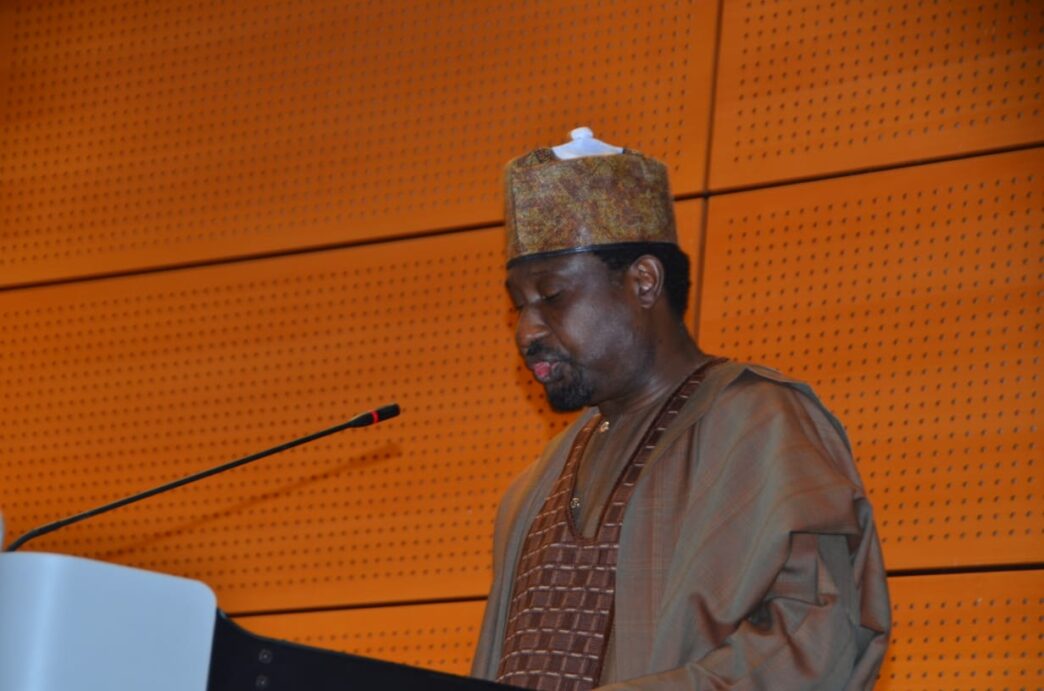
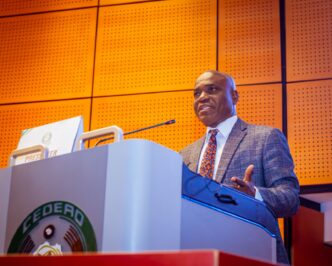
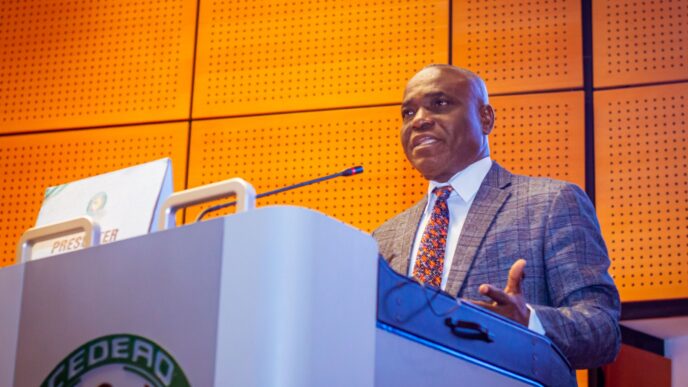
The First Deputy Speaker of the Nigerian Senate, Senator Barau Jibrin, has called for urgent and coordinated action on power, energy, and infrastructure across West Africa, warning that without reliable energy supply, the region’s goods and services will remain uncompetitive in the global market.
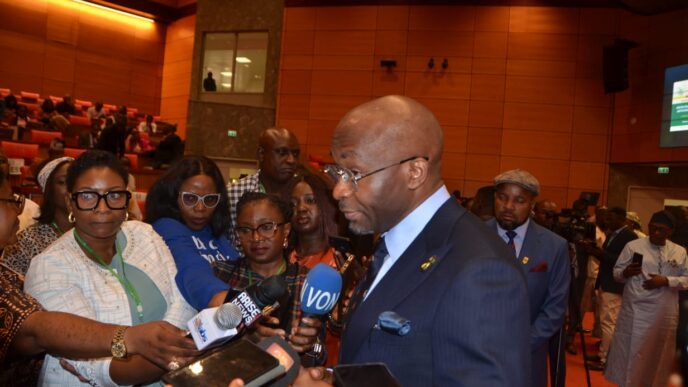
Senator Jibrin, who is also the First Deputy Speaker of the ECOWAS Parliament, made the call while speaking with journalist at the ongoing First Extraordinary Session of the ECOWAS Parliament in Abuja, themed “Deepening Regional Integration through Infrastructure Development and Trade Facilitation”., stressed that an interconnected regional approach to energy development is critical for boosting competitiveness and accelerating economic integration across West Africa.
Senator Barau described energy as the most critical challenge confronting industrialisation in the sub-region, stressing that no meaningful progress can be made without addressing power deficits at both national and regional levels. He said an interconnected regional approach to energy development is essential to drive competitiveness and prosperity.
According to him, while West Africa has abundant manpower and other resources, infrastructure gaps—particularly in power—remain a major bottleneck to industrial growth. He noted that addressing these structural challenges would place the region on a sustainable path to industrialisation and economic development.
The Deputy Speaker also lamented low levels of intra-regional trade within ECOWAS, revealing that trade among member states remains significantly low compared to trade with external partners. He cited figures indicating that intra-regional trade hovers around 11 to 16 percent, far below its potential, due largely to poor infrastructure and trade barriers.
He highlighted persistent red tape at border points as a major impediment, citing long delays faced by trucks and goods at borders, which increase transaction costs and discourage regional trade. He urged ECOWAS leaders to prioritise the opening and maintenance of key trade corridors to facilitate the free movement of goods and services.
Senator Barau proposed a shift in strategy from the long-debated common currency to digital payment platforms, arguing that digital systems could bypass political and technical hurdles associated with a single currency. He said digital platforms could significantly reduce transaction costs, particularly dollar-denominated charges that currently cost the region billions of dollars annually.
Addressing concerns about inflation and currency convergence, he said increased intra-regional trade and production would naturally help reduce inflationary pressures. He argued that Africa’s heavy dependence on imports is a key driver of inflation and that boosting local production would stabilise prices and strengthen economies.
Using examples from the cocoa and lithium sectors, Senator Barau advocated for nearshoring and value addition within Africa, urging countries to process raw materials locally rather than exporting them in raw form. He said transforming cocoa into chocolate and lithium into batteries within the region would create jobs, increase productivity, and deepen regional trade.
He concluded that fixing infrastructure, improving payment systems, and stimulating local production are critical steps to transforming the African Continental Free Trade Area (AfCFTA) from policy rhetoric into tangible economic benefits, expressing optimism that such reforms would significantly strengthen trade and economic integration in the ECOWAS region.

GIPHY App Key not set. Please check settings