


Jane Salihu
The Senate has passed the 2026 Appropriation Bill, approving a total budget of N68.323 trillion for the fiscal year after considering and adopting the report of its Committee on Appropriations at plenary in the Red Chamber.
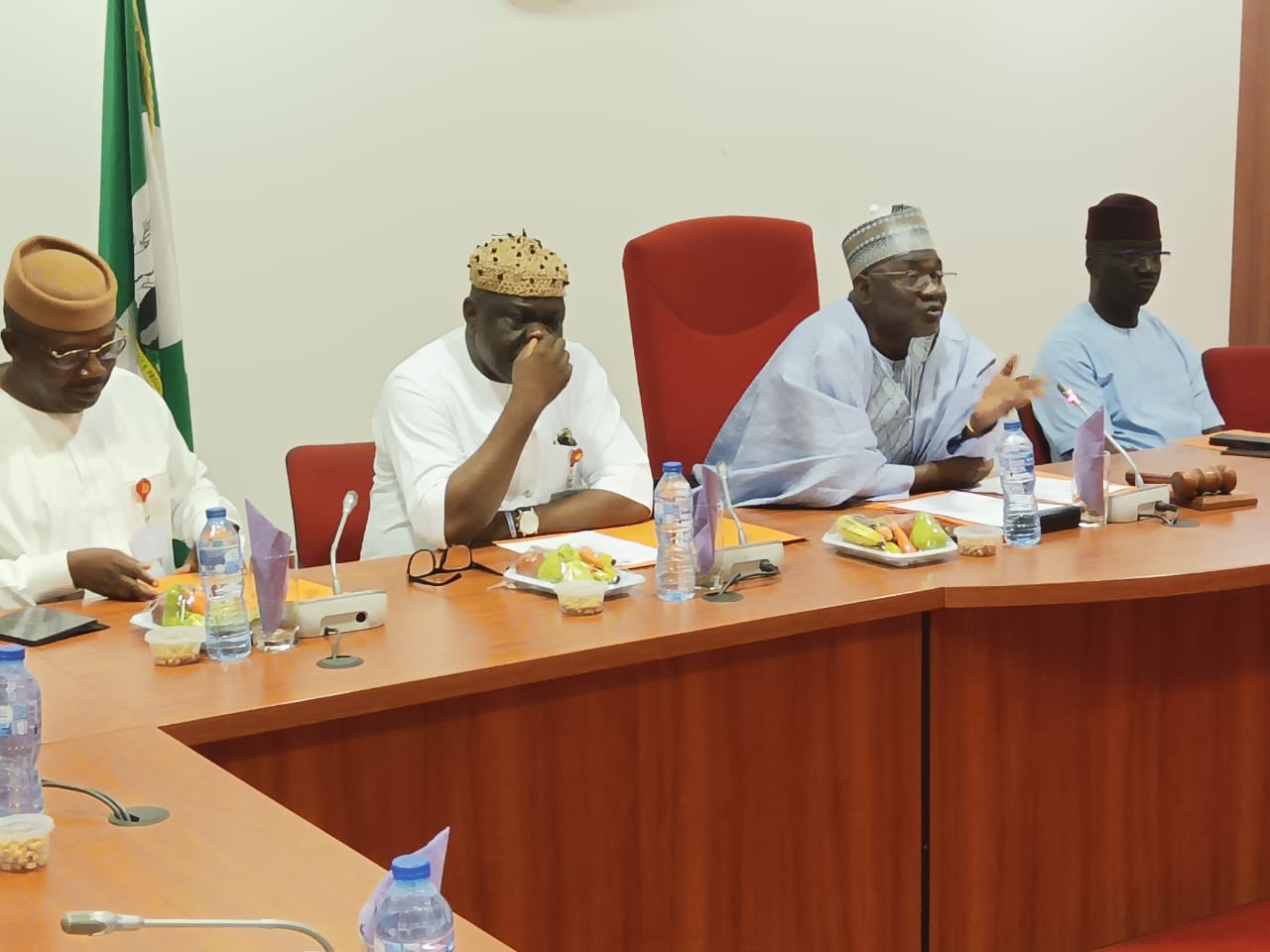
The passage followed the presentation of the committee’s report by Chairman of the Senate Committee on Appropriations, Solomon Adeola, who outlined the key adjustments made to the budget proposal submitted earlier by President Bola Ahmed Tinubu.
Adeola told lawmakers that the approved budget represents an increase of about N9.09 trillion from the initial N58.18 trillion proposal presented by the president to the National Assembly in December 2025.
According to him, the upward review became necessary to accommodate critical expenditures, address legacy financial obligations and ensure that key national projects continue without disruption.
“The adjustment was necessary to regularise outstanding commitments from previous fiscal years and align the 2026 budget with current economic realities,” Adeola said while presenting the report.
He explained that one of the major components of the increase was the inclusion of about N7.71 trillion in outstanding capital obligations from the 2025 Appropriation Act which could not be fully implemented before the expiration of the budget cycle.
The lawmaker noted that revenue shortfalls significantly affected the execution of the 2025 capital budget, with nearly 70 per cent of projects experiencing delays or funding gaps.
Providing a breakdown of the approved 2026 budget, Adeola said N4.799 trillion was allocated for statutory transfers, N15.809 trillion for debt servicing, and N15.427 trillion for recurrent (non-debt) expenditure.He added that the largest share of the budget, N32.287 trillion, was earmarked for capital expenditure, reflecting government’s focus on infrastructure development and economic expansion.
The committee chairman also informed the Senate that the revised budget included new provisions for key national interventions in sectors such as transportation, healthcare and the judiciary.
Among the major allocations, he said, was government equity funding for legacy rail projects in Lagos, Kano, Kaduna and Ogun states, as well as feasibility studies for proposed rail systems in Enugu and Maiduguri.
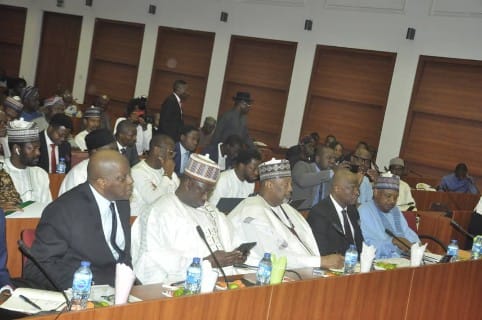
The Senate subsequently adopted the committee’s recommendations and approved the revised appropriation bill after deliberations, making the 2026 budget the largest in Nigeria’s history.
Speaking with journalists shortly after the plenary, Adeola further explained that the N9 trillion increase would be financed through a combination of increased oil benchmark, improved independent revenue and borrowing.
According to him, the oil benchmark was raised from $65 to $75 per barrel, a move expected to generate about N2.5 trillion in additional revenue.
He also pointed to the growing contribution of the telecommunications sector to government revenue, noting that major operators are projected to contribute about N874 billion in taxes in 2026.
Adeola, however, dismissed concerns over increased borrowing, insisting that government borrowing is largely targeted at financing infrastructure and stimulating economic growth.
“We must invest in infrastructure that will drive development and create jobs. These investments are necessary if we want the economy to grow,” he said.
The senator also expressed optimism that the 2026 budget would consolidate macroeconomic stability, improve the investment climate and accelerate development across key sectors of the economy.

GIPHY App Key not set. Please check settings