


By Janet Salihu
Policymakers and trade experts have identified women, youth and informal cross-border traders as pivotal to advancing regional integration and expanding intra-community commerce in West Africa under the African Continental Free Trade Area (AfCFTA).
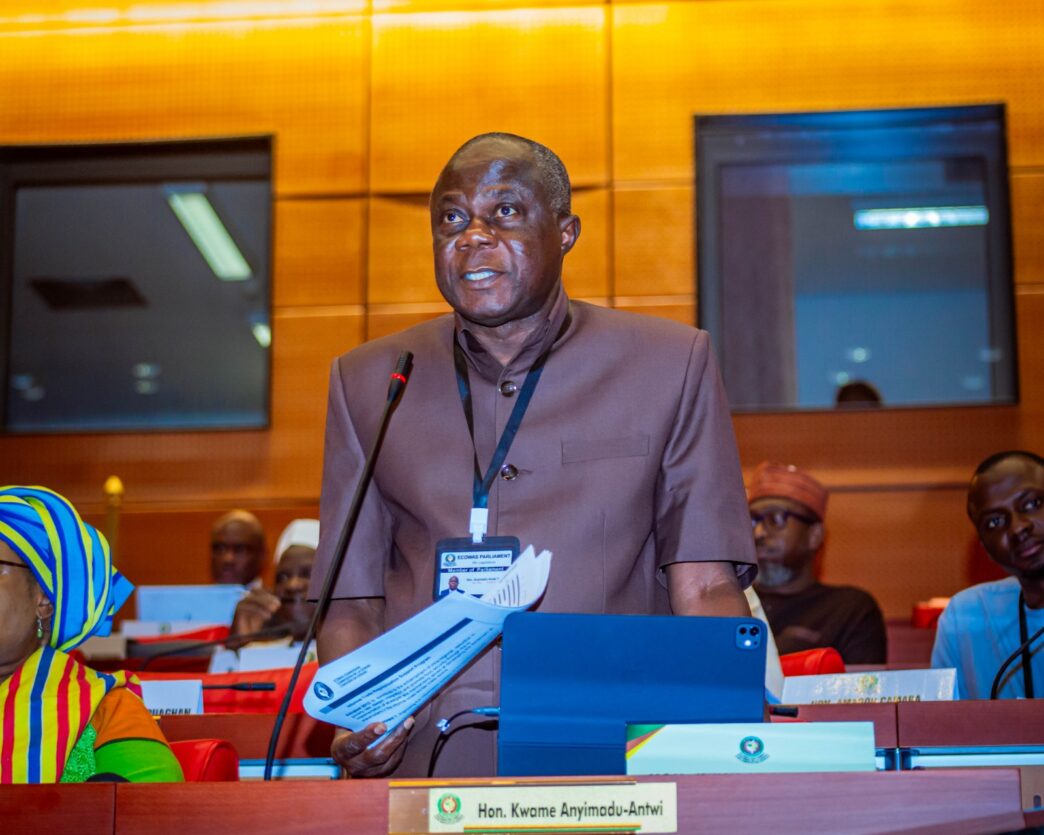
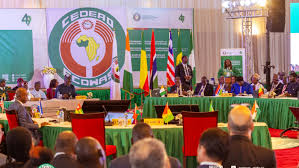
The call was made at the ECOWAS Parliament Extraordinary Session and Parliamentary Seminar in Abuja, themed “Deepening Regional Integration Through the African Continental Free Trade Area (AfCFTA): Opportunities and Challenges for Expanding Intra-Community Trade within the ECOWAS Region.”
Presenting a paper titled “Women, Youth, and Informal Cross-Border Traders: Unlocking Inclusive Growth Under the AfCFTA,” Director at the ECOWAS Commission Trade Directorate, Christopher Mensah-Yawson, said inclusive trade policies targeting vulnerable groups would unlock the full benefits of the continental free trade pact.
He noted that West Africa’s population of over 456 million people, with women accounting for nearly half and a median age of 18.2 years, places the region among the youngest globally.
“These demographics present both an opportunity and a challenge for regional integration and sustainable development,” he said.
Citing findings from a 2022 survey, Mensah-Yawson disclosed that women account for 74 per cent of informal cross-border trade operators in the region, while young people under 25 constitute about 60 per cent of the population and rely heavily on informal trade for livelihoods.
“Women and youth face multiple barriers, including complex customs procedures, limited awareness of trade regimes, inadequate access to finance and storage facilities, gender-insensitive border infrastructure, as well as harassment, extortion and security risks,” he stated.
He described the AfCFTA as a catalyst for inclusive trade, pointing to provisions such as the Protocol on Women and Youth in Trade, simplified trade regimes, digital trade frameworks and support mechanisms for small and medium-scale enterprises.
According to him, these efforts align with global and continental frameworks, including the United Nations Sustainable Development Goals, the African Union Agenda 2063 and ECOWAS Vision 2050.
Mensah-Yawson outlined gender-responsive strategies adopted by ECOWAS, including the Informal Trade Regularization Support Programme, the Trade and Gender Framework (2024–2030), and the Regional E-Commerce Strategy aimed at expanding digital trade opportunities.
He further highlighted digital skills training for rural women, export readiness programmes for women-led enterprises, and partnerships with institutions such as Ecobank and the International Trade Centre to strengthen entrepreneurial capacity.
The ECOWAS official also pointed to the roles of the ECOWAS Gender Development Centre and the ECOWAS Youth and Sports Development Centre in advancing gender equality, youth empowerment and regional integration.
He urged Member States and lawmakers to intensify reforms that formalise informal trade, protect vulnerable traders and dismantle structural barriers limiting access to formal markets.
“Women and youth are central to economic resilience, food security and sustainable development in West Africa,” he added.
The parliamentary seminar formed part of the broader Extraordinary Session of the ECOWAS Parliament in Abuja, where legislators are deliberating on policy frameworks to strengthen intra-regional trade and ensure the AfCFTA delivers inclusive and sustainable growth across the sub-region.



GIPHY App Key not set. Please check settings