


Janet Salihu
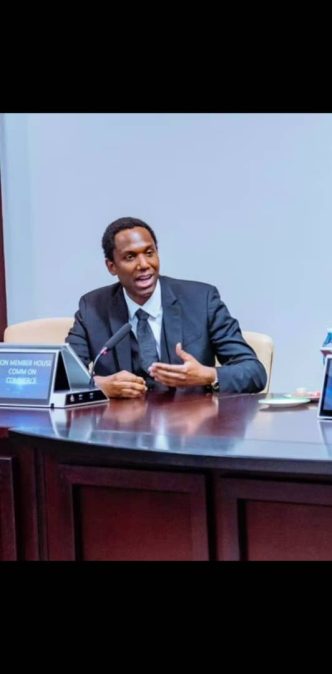
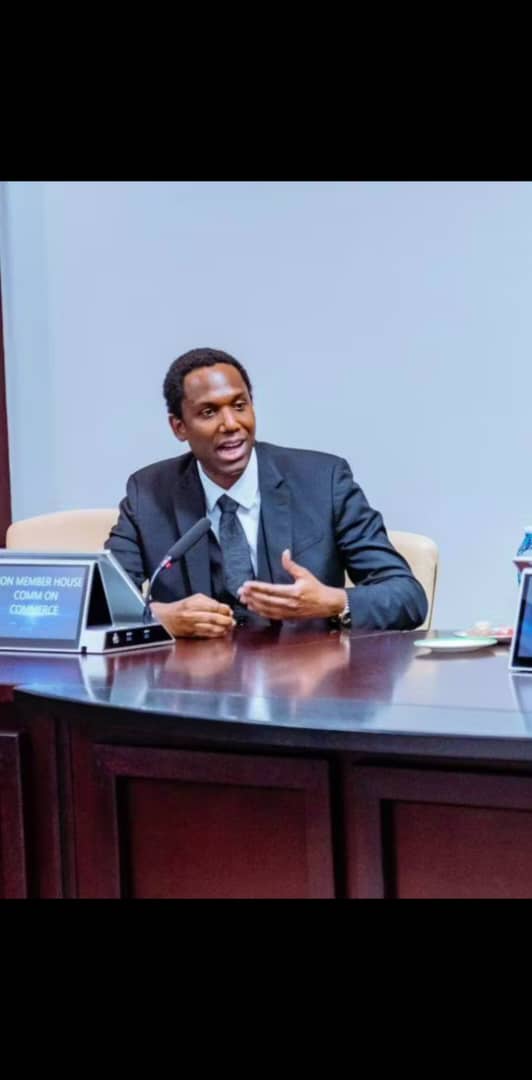
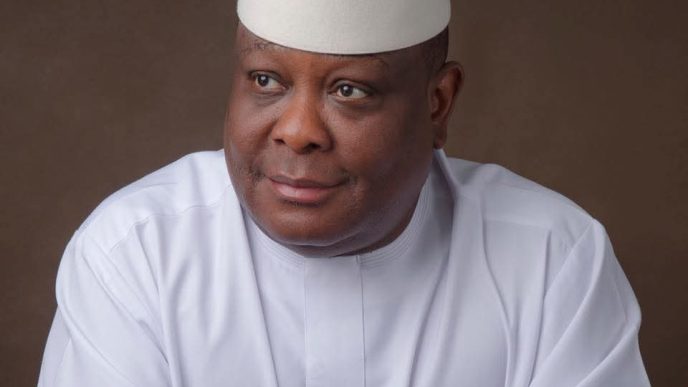
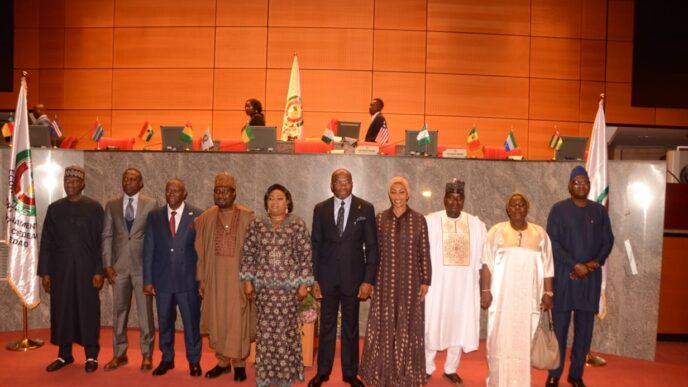
As the ECOWAS Parliament holds its Second Ordinary Session in Abuja , convened alongside activities marking its 25th anniversary , Nigerian lawmaker and Vice Chairman of the Committee on Infrastructure, Hon. Ahmed Munir, has reaffirmed Nigeria’s pivotal role in protecting democracy across West Africa.
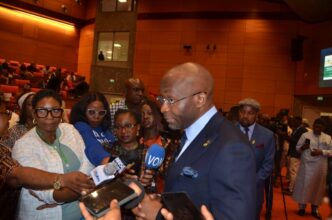
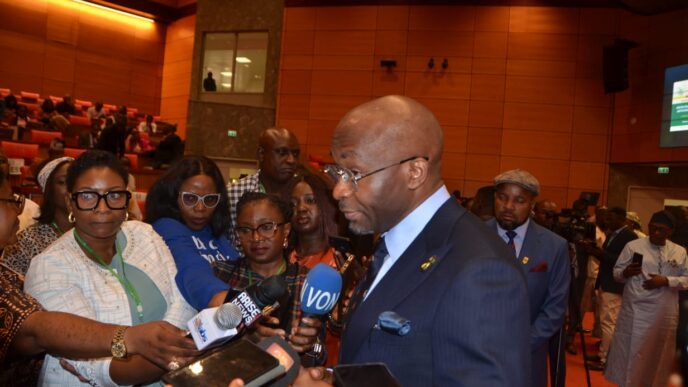
Speaking with newsmen on the sidelines of the plenary, Munir reacted to recent political instability in Guinea-Bissau and the foiled coup attempt in Benin Republic, stressing that the region must remain alert to emerging threats.
Munir said the situation in Guinea-Bissau was troubling and should serve as a lesson for other West African countries, which according to him, democracy does not collapse overnight; rather, it declines through clear warning signs.
“Anywhere we have an erosion of democracy, it is a minus and should be condemned. Shrinking civic space, interference in the justice system, corruption in military procurement, and attacks on press freedom are early indicators of instability,” he warned.
He added that the ECOWAS Parliament is working on a strong, unified position to fully condemn the attempted coup in Guinea-Bissau.
Commenting on Nigeria’s role in preventing the attempted coup in Benin Republic, Munir described Nigeria as the continent’s “beacon of democracy.”
“The world must recognise that Nigeria played a decisive stabilising role in Benin. Our security forces and the leadership of President Bola Ahmed Tinubu demonstrated the big-brother responsibility Nigeria carries in this region,” he told journalists.
He explained that the fallout of a successful coup in Benin would have been significant for regional stability, potentially isolating Nigeria and affecting the free movement of people and goods across ECOWAS.
Munir emphasised that regional responses should not be reactive, urging ECOWAS to reassess the capacity of its Standby Force, review member states’ financial commitments, and strengthen both military and diplomatic cooperation.
On economic integration, the lawmaker, who is also the Chairman, House Committee on Commerce at the Nigeria National Assembly argued that trade remains the “glue” that can hold the region together.
“Wherever wealth is created through trade, society becomes more stable. We need a seamless trade system in West Africa, with better standardization, modernised borders, and digital processes to boost commerce,” he said.
He disclosed that Nigeria’s ongoing National Single Window Project, expected to be substantially ready next year, will drastically reduce port delays, curb corruption, and improve trade transparency, a model he believes should be replicated across ECOWAS.
Reflecting on the ECOWAS Parliament’s 25th anniversary, Munir congratulated member states but insisted that the legislature must strengthen its identity within the regional architecture.
According to him, other ECOWAS institutions such as the Court of Justice, the Commission, and the Bank for Investment and Development have clear mandates widely understood by citizens, while the Parliament needs further reforms to fully define its functions.
“We must stand for something. Reforms are necessary so that the Parliament can be more effective and contribute meaningfully to regional goals,” he stated.
Addressing concerns over low attendance during plenary, an issue that affected the formation of quorum — Munir said several lawmakers had urgent national assignments, especially in countries experiencing elections.
He also noted that some of the delegations from recently coup-affected states were absent, necessitating adjustments to the quorum calculation.
On whether direct elections for ECOWAS Members of Parliament would solve the attendance challenge, he said the idea remains open for debate.
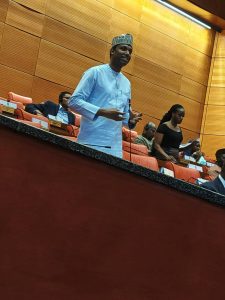
“It is a double-edged sword. The region must consider cost, security, logistics, and electoral disputes. In time, ECOWAS may adopt direct elections, but for now we must make the best of the system we have,” he said.
The 2025 Second Ordinary Session of the ECOWAS Parliament comes at a critical period marked by political upheavals in several West African states, growing concerns over military interventions, and ongoing efforts to revive economic integration under the African Continental Free Trade Area (AfCFTA).
This year also marks 50 years of ECOWAS and 25 years of its Parliament, milestones accompanied by renewed calls for institutional reforms and stronger accountability mechanisms.


GIPHY App Key not set. Please check settings