


Jane Salihu
Concerns over weak data systems, informality in labour markets, and uneven enforcement of free movement rules dominated discussions at the ongoing First Extraordinary Session of the ECOWAS Parliament in Abuja on Tuesday, as experts warned that governance gaps could undermine regional integration and AfCFTA ambitions.
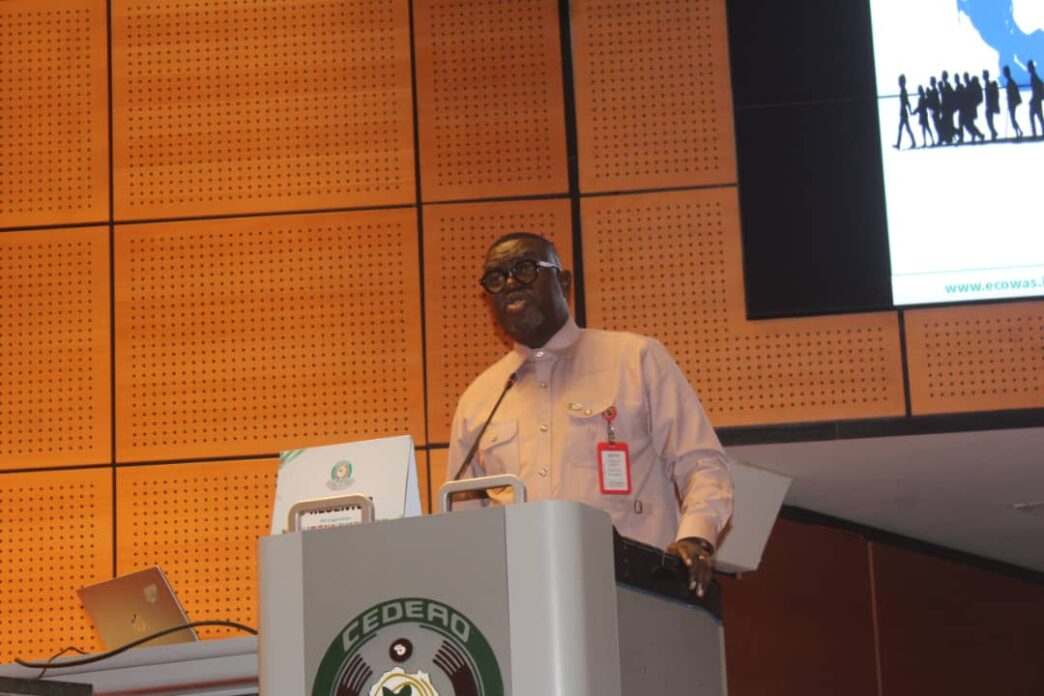
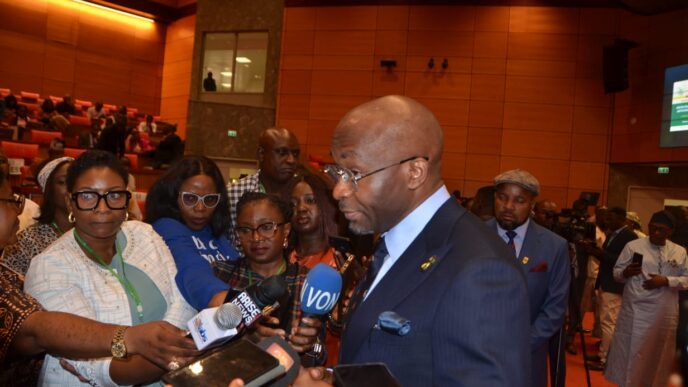
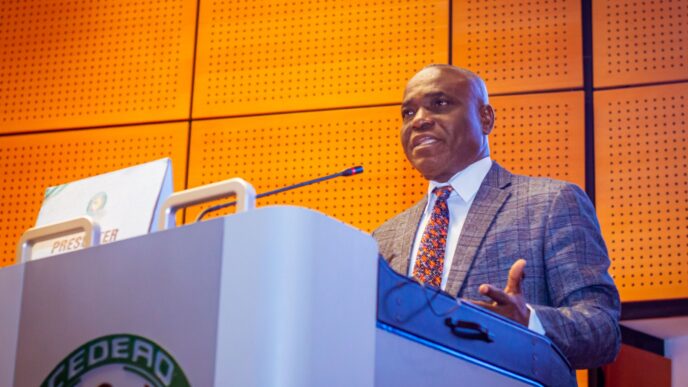
Mr. Albert Siaw-Boateng, ECOWAS Director of Free Movement of Persons and Migration, told parliamentarians that human mobility remains a powerful tool for economic integration, but its benefits depend on effective governance structures. He said the presentation aimed to “highlight the link between human mobility and regional integration, examine labour mobility as a driver of intra-regional trade, assess progress, and identify challenges to labour migration governance.”
He described the ECOWAS Free Movement Protocol as one of the region’s most ambitious integration instruments, noting that it was adopted in 1979 and revised in 1993. According to him, the protocol “aligns with the Continental Free Movement Protocol and is a core element of the regional integration agenda.”
Siaw-Boateng explained that the protocol is implemented in three phases, beginning with the right of entry. “The first phase allows travel without a visa using a passport and health certificate, and the 90 days limit has been abolished,” he said. He added that subsequent phases guarantee the right of residence and establishment for migrants to work and run businesses across member states.
However, he warned that weak migration data systems remain a major challenge. He said the Regional Migration Policy emphasizes that “building a harmonized regional data collection and management system provides the foundation for policymakers to develop evidence-based migration and development policies.”
He outlined nine pillars of the Regional Migration Policy, including border management, labour migration governance, protection of migrants, climate change-induced migration, and strengthening statistical data. He stressed that reliable data is critical for tracking labour mobility and aligning policies across the region.
Siaw-Boateng highlighted labour migration frameworks such as the ECOWAS Common Approach to Migration and the Labour Migration Strategy and Action Plan (2025–2030), which he said “aims to promote safe, regular and rights-based labour mobility in West Africa.”
Despite progress, he noted serious governance gaps, including limited labour inspection, weak social protection portability, and insufficient labour market information sharing. He said ECOWAS is prioritising aligning free movement with labour standards and protections to ensure migrants are not exploited.
He disclosed that several programmes are underway to address these gaps, including the EU-funded Free Movement and Migration Project, the ECOWAS National Biometric Identity Card, the ECO-Visa, and a Regional Labour Migration Statistics Programme to harmonise methodologies across member states.
Siaw-Boateng also identified informality as a major challenge, revealing that “about 70 per cent of migrant workers are in the informal sector,” making it difficult to regulate labour standards and extend social protection. He added that data fragmentation and weak enforcement of the protocol continue to hinder implementation in some countries.
Other challenges include skills mismatches and limited recognition of qualifications, which he said are being addressed through a Regional TVET and Qualifications Framework, as well as initiatives to develop a cross-border labour inspection network.
He concluded that while labour mobility supports industrial development, addresses skills gaps, and promotes women and youth inclusion, robust governance reforms and digital labour mobility systems are needed to fully unlock the benefits of AfCFTA and regional integration.



GIPHY App Key not set. Please check settings