


Jane Salihu
Senate President, Godswill Akpabio, on Monday charged the National Assembly and stakeholders to ensure that the 2026 Appropriation Bill translates into tangible improvements in the lives of Nigerians, urging lawmakers to shift focus from mere allocations to measurable impact.
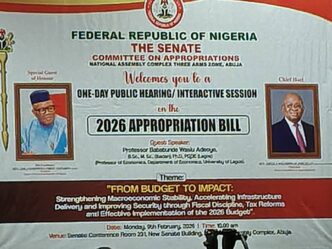
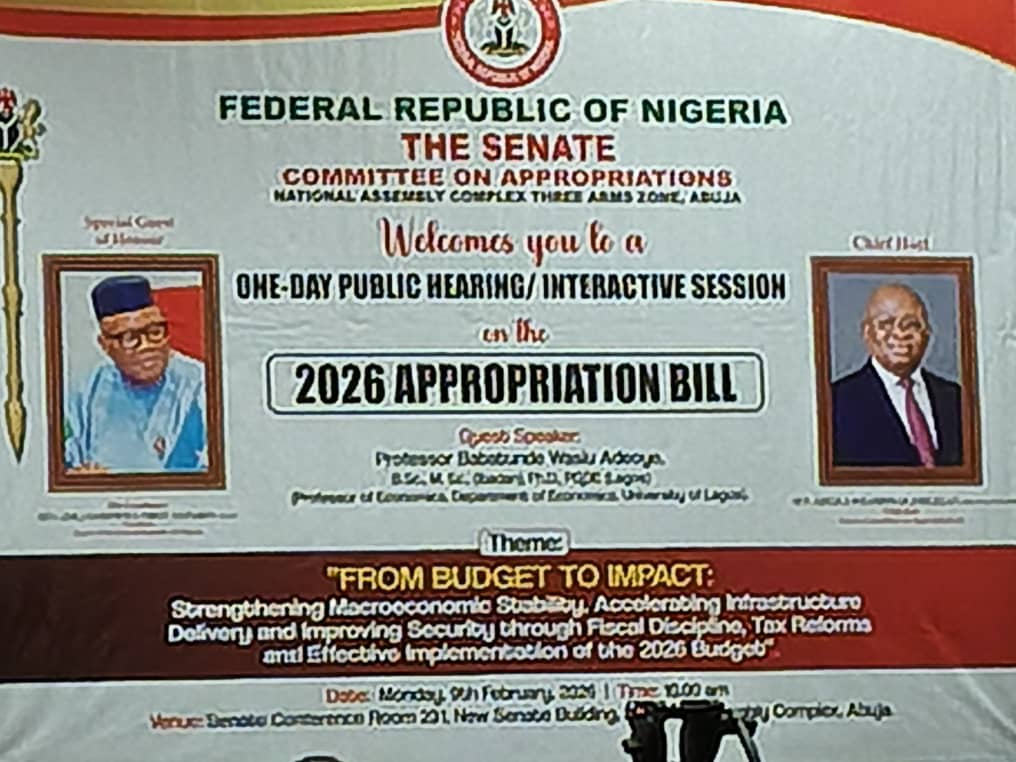
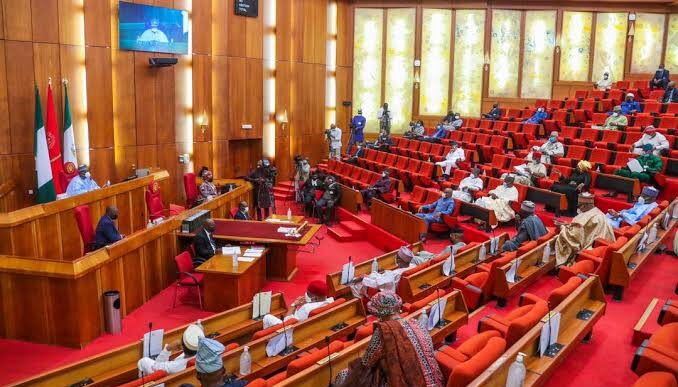
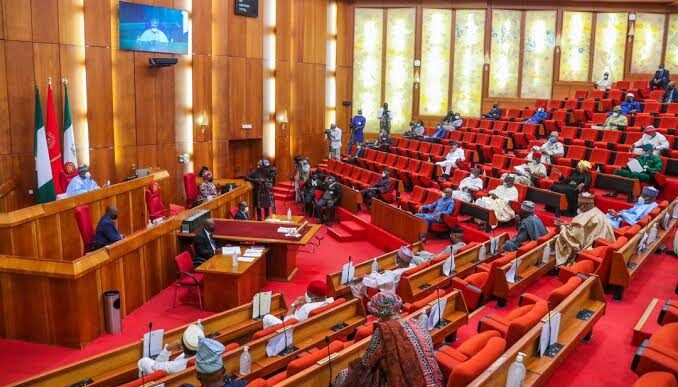
Akpabio made the call at the Public Hearing on the 2026 Appropriation Bill organised by the Senate Committee on Appropriations at the National Assembly in Abuja
Represented by Deputy President of the Senate, Sen. Jibrin Barau, Akpabio said budget hearings were “moments of national self-examination,” noting that Nigeria faces fiscal pressure, inflationary strain, infrastructure gaps, unemployment concerns and security challenges that directly affect citizens.
“Our task is not simply to spend more, but to spend better; not merely to allocate funds, but to convert budgets into outcomes and appropriations into impact,” he said, urging lawmakers to focus on measurable results such as functioning schools, effective healthcare facilities, reliable power supply and job creation.
Akpabio warned that appropriation without implementation amounts to failure, while implementation without impact is a waste, stressing that legislative oversight must evolve toward impact-driven scrutiny. He added that the 2026 Budget should place the Nigerian citizen at its centre, saying ordinary Nigerians experience budgets as food on the table, light in the home and dignity in work.
He called for collaboration among the Executive, Legislature, MDAs and citizens to ensure disciplined planning, effective implementation and accountability, adding that history would judge the 2026 Budget not by how quickly it was passed but by what it changed.
Earlier, Chairman of the Senate Committee on Appropriations, Sen. Solomon Olamilekan, advocated a more strategic budgeting system that prioritises critical sectors, citing the mismatch between limited government resources and enormous infrastructure needs.
Olamilekan said Nigeria must improve budget design and implementation, noting that ministries often receive far less than required, making effective planning difficult, and called for a balance between genuine funding demands and fiscal sustainability.
He also commended President Bola Tinubu’s economic reforms, saying inflation had eased, foreign reserves exceeded 42 billion dollars, the exchange rate had stabilised and the downstream petroleum sector had become market-driven, with improved FAAC allocations boosting sub-national development.
In his submission, Accountant-General of the Federation, Shamseldeen Ogunjimi, described the budget as a “moral document” that reflects national priorities and values, lamenting that Nigeria had been strong on budget formulation but weak on translation into results.
Ogunjimi urged lawmakers to insist on clear performance indicators, realistic timelines and transparency in cost assumptions from Ministries, Departments and Agencies, stressing that budget implementation must move beyond paperwork to accountability.
He added that the public hearing was a democratic tool for aligning national priorities with citizens’ realities and called for prioritisation over proliferation, completion over commencement, and depth over political dispersion in budget execution.
The hearing, themed From Budget to Impact: Strengthening Macroeconomic Stability, Accelerating Infrastructure Delivery and Improving Security through Fiscal Discipline, Tax Reforms and Effective Implementation of the 2026 Budget, brought together lawmakers, government officials and stakeholders to review the proposed 2026 Appropriation Bill.

GIPHY App Key not set. Please check settings