


Jane Salihu
For millions of children across West Africa, childhood has become a daily struggle for survival, with many exposed to trafficking, forced labour, dangerous working conditions and separation from their families, while others are denied the opportunity to attend school and build a better future.
Concerned by the growing threat and its devastating impact on vulnerable children, the ECOWAS Parliament has called for stronger regional action, improved funding and effective enforcement of child protection laws, including the establishment of a regional victim support fund to assist survivors of trafficking and exploitation.
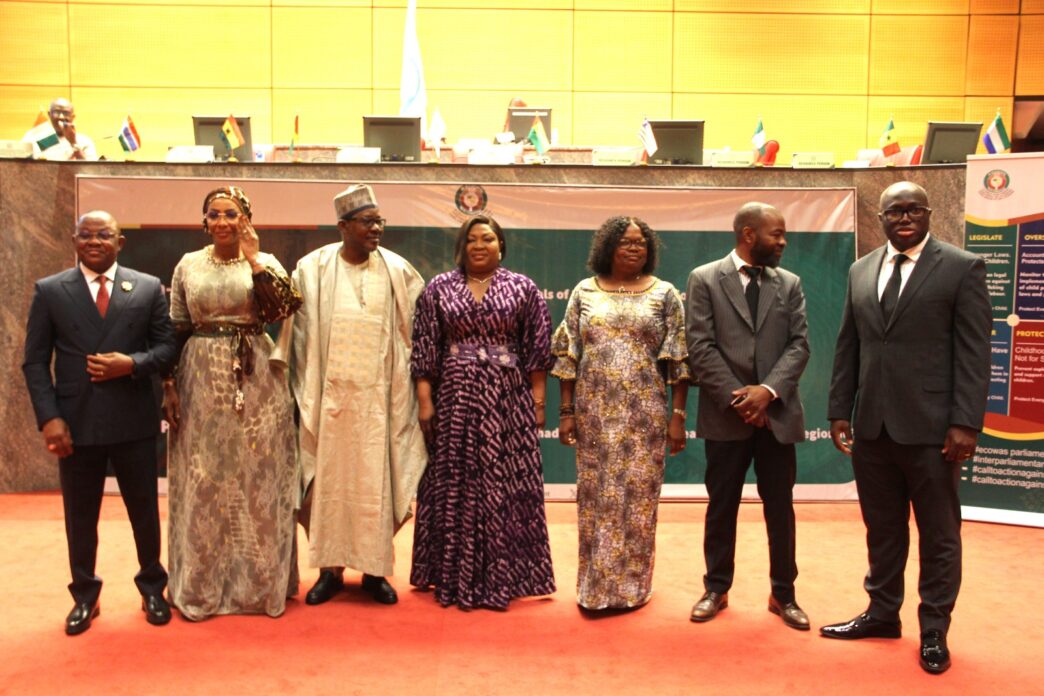
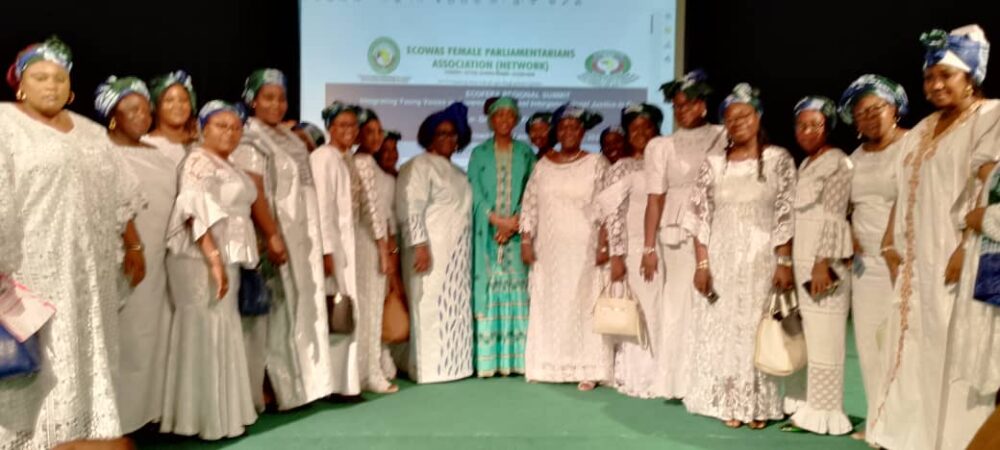
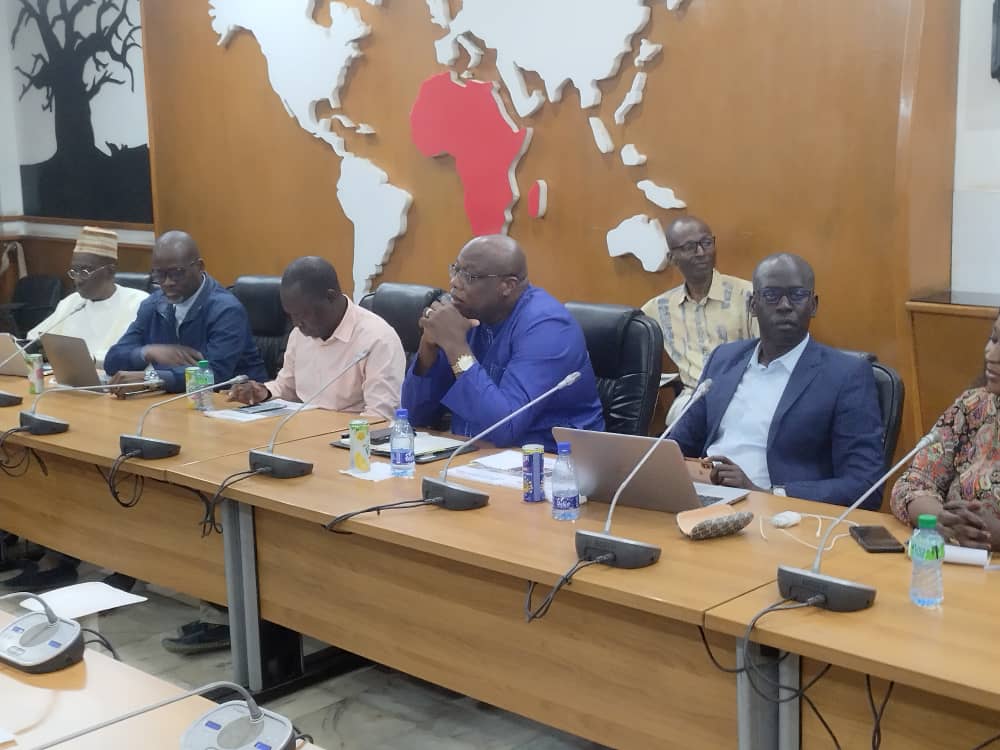
The call was made by the Speaker of the ECOWAS Parliament at a regional parliamentary workshop on combating child trafficking and child support labour, at the ongoing second ordinary session in Abuja, where she stressed that the existence of laws and international commitments had not translated into adequate protection for vulnerable children across West Afri
She observed that children subjected to trafficking and exploitative labour were not only deprived of their fundamental human rights but also denied the opportunity to learn, develop and contribute meaningfully to society.
According to the Speaker, gaps in the implementation of existing laws, inadequate resources, inconsistent application of sanctions and weak coordination among relevant institutions continue to undermine efforts to protect children.
She challenged parliamentarians to move beyond declarations of commitment and demand accountability from governments by examining budgetary provisions, monitoring implementation and ensuring that protection measures produce measurable results.
The Speaker also urged participants to develop practical recommendations, clearly defined responsibilities and effective monitoring mechanisms that would strengthen regional parliamentary cooperation.
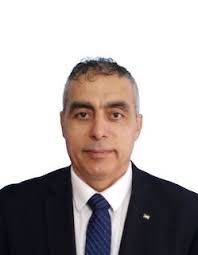
Representing the Secretary-General of the Inter-Parliamentary Union (IPU), Senior Programme Officer, Akiyo Afouda, said the scale of child exploitation required urgent and coordinated action, noting that an estimated 138 million children worldwide were still engaged in child labour, including 46.6 million in sub-Saharan Africa.
Afouda described the figures as a disturbing indication that millions of children continued to have their childhood and future compromised through exploitation, dangerous working conditions and deprivation of education.
He noted that poverty, population displacement, insecurity, economic inequalities and weak social protection systems had created conditions that made children particularly vulnerable to trafficking and forced labour across West Africa.
According to him, the cross-border nature of trafficking makes it impossible for individual countries to effectively address the problem without stronger regional cooperation.
He identified four essential pillars for an effective regional parliamentary strategy: sustained political commitment, structured cooperation among national parliaments, stronger parliamentary oversight and a credible monitoring and evaluation mechanism.
Afouda further urged lawmakers to ensure that child protection commitments were backed by adequate budgetary allocations, effective legislation and measurable outcomes, stressing that the success of parliamentary action should be judged by the number of children rescued, protected and returned to school rather than resolutions adopted.
Providing further insight into the regional situation, Commissioner for Human Development and Social Affairs of the ECOWAS Commission, Prof. Nassirou Arifari Bako, said insecurity, displacement and inadequate social protection had continued to expose children to trafficking and exploitative labour.
He explained that conflicts and instability in parts of the Sahel had disrupted education, separated families and increased the vulnerability of women and children to exploitation, with displacement creating additional risks for children moving across borders.
The Commissioner disclosed that ECOWAS had recorded progress in prosecuting trafficking-related offences, with cases of prosecution and convictions increasing from 388 in 2024 to 515 in 2025 across the region.
However, he maintained that existing interventions remained inadequate compared with the scale of the challenge.
Bako expressed concern over the limited reach of social protection programmes in West Africa, noting that the region needed significantly greater investment to protect vulnerable households and prevent children from becoming victims of trafficking and exploitative labour.
He called on parliamentarians to support the establishment of a regional victim support fund and dedicated victim trust funds in member states to provide assistance to rescued children and other trafficking survivors.
He also urged lawmakers to advocate increased government spending on social protection, strengthen the collection and sharing of reliable data through interconnected national social registries and undertake oversight missions to assess the implementation of child protection policies.
The Commissioner said such interventions would improve the identification of victims, facilitate rehabilitation and reintegration, support access to education and vocational training, and strengthen the capacity of relevant institutions.
He emphasised that the ECOWAS Commission could not tackle the problem alone and required the legislative and oversight powers of national and regional parliaments to translate existing policies into tangible results.
The workshop also reviewed progress made since an earlier engagement between the IPU and the ECOWAS Parliament in May 2023, which produced recommendations on strengthening national initiatives and regional parliamentary coordination.
Afouda called for regular parliamentary monitoring, joint missions to vulnerable communities and stronger engagement with local populations to identify trafficking networks and improve the protection of children at risk.
He urged lawmakers to remain connected to their constituencies, stressing that community-level engagement was essential to understanding the realities behind trafficking and child exploitation.
Participants were encouraged to use the workshop to develop a more coordinated regional framework that would strengthen prevention, prosecution, victim identification, rehabilitation and reintegration.
GIPHY App Key not set. Please check settings