


Jane Salihu
The Independent National Electoral Commission (INEC) has placed its Resident Electoral Commissioners (RECs) under increased scrutiny, directing them to personally supervise election preparations and take responsibility for operational weaknesses that could undermine the credibility of the 2027 general elections.
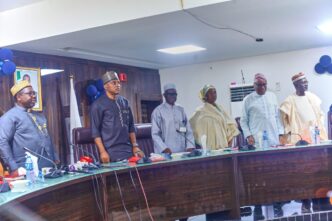
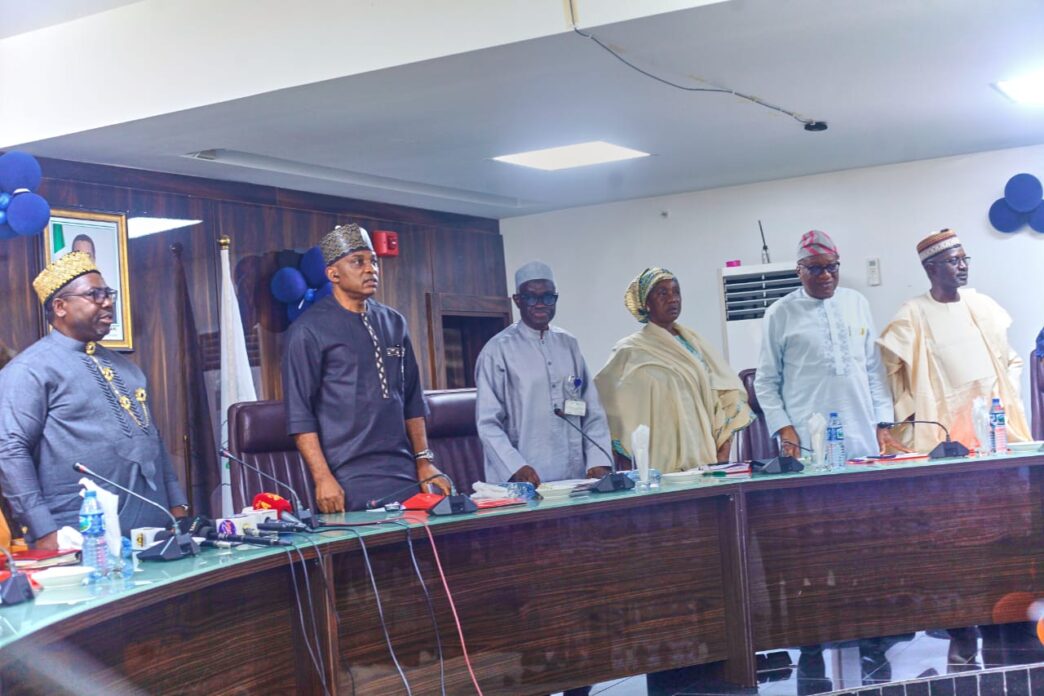
INEC Chairman, Professor Joash Amupitan, gave the directive on Wednesday in Abuja during a strategic consultative meeting with RECs from the 36 states and the Federal Capital Territory, stressing that the success of the elections would depend largely on the quality of leadership and supervision at the state level.
He said the Commission could no longer afford administrative lapses, communication gaps or logistical failures as it moved into the final phase of preparations for the elections.
Amupitan specifically charged the RECs to remain close to Electoral Officers, personally supervise field audits rather than depend on reports from subordinates, and provide Headquarters with accurate information on challenges requiring urgent intervention.
The directive comes as INEC prepares to conduct a nationwide mock accreditation and result transmission exercise on Saturday, November 28, across all 36 states and the FCT.
Describing the exercise as a critical test of the Commission’s operational capacity, the INEC Chairman directed each REC to oversee the exercise and submit a comprehensive technical audit to Headquarters by Monday, November 30.
The report, he said, must identify network challenges, device malfunctions and procedural bottlenecks to enable the Commission’s technical teams to address them before the general elections.
He disclosed that INEC had procured 57,000 new Bimodal Voter Accreditation System (BVAS) devices and was making arrangements for their proper deployment, configuration and maintenance.
The Commission has also reduced the BVAS deployment threshold from 1,250 to 850 registered voters per machine to minimise congestion, long queues and accreditation delays at polling units.
Amupitan said the scale of the forthcoming elections demanded exceptional administrative discipline, noting that INEC would be managing a verified register of more than 100 million voters, 177,299 polling units and over 1.41 million ad hoc personnel.
He also drew attention to the need for inclusive electoral arrangements, particularly for the 232,658 registered Persons With Disabilities, who require accessible polling facilities and appropriate assistive materials.
On election security, the Chairman called for a preventive and intelligence-driven approach, directing the RECs to strengthen collaboration with security agencies and activate decentralised Inter-Agency Consultative Committee on Election Security (ICCES) structures down to the local government and ward levels.
He said the Commission’s Election Risk Management maps must be used to identify potential flashpoints early and address possible conflicts before they escalate into violence.
The INEC Chairman further identified logistics, personnel welfare and institutional neutrality as critical areas requiring immediate attention, warning that delayed opening of polling units could create suspicion, anxiety and unnecessary tension among voters.
He also cautioned that misinformation and synthetic media could undermine public confidence, particularly where official communication was delayed or unclear.
On the conduct of INEC personnel, Amupitan declared that the Commission would not protect any staff member found compromising institutional neutrality, facilitating electoral malpractice or violating the provisions of the Electoral Act 2026.
He urged the RECs to maintain regular engagement with political parties, election observers, civil society organisations and the media to promote transparency and ensure timely communication of developments during the electoral process.
According to him, the credibility of the 2027 elections will be determined not merely by the legal and technological frameworks established by the Commission but by how effectively those measures are implemented at the grassroots.
The presidential and National Assembly elections are scheduled for January 16, 2027, while the governorship and State Houses of Assembly elections will hold on February 6, 2027.
The meeting was attended by National Commissioners, the Secretary to the Commission, Directors and senior officials, technical aides to the INEC Chairman and members of the press.




GIPHY App Key not set. Please check settings