


Jane Salihu
For thousands of children across West Africa, the streets have become home and a daily battleground for survival, where hunger, abuse, trafficking, and exploitation are constant threats.
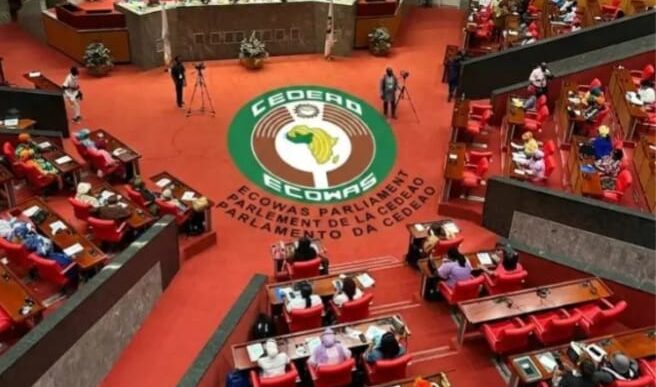
Disturbed by the growing number of vulnerable children forced to beg, sleep in markets and bus parks, and exposed to violence and sexual abuse, the ECOWAS Parliament has adopted a landmark resolution urging member states to take urgent and coordinated action to protect street children and end child exploitation in the region.
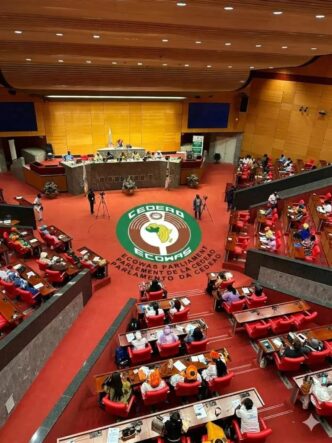
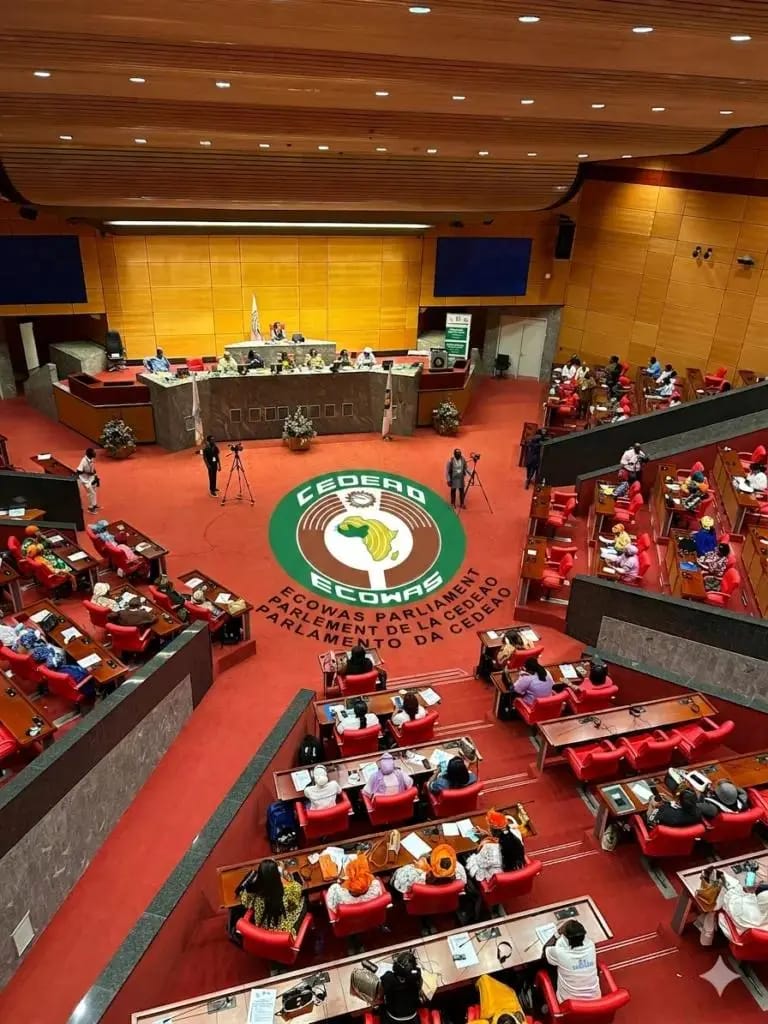
The resolution was adopted on May 14 during the Parliament’s First Ordinary Session of 2026 in Abuja, drawing from recommendations made at a delocalised meeting of the Joint Committee on Social Affairs, Gender, Women Empowerment and People with Disabilities; Legal Affairs and Human Rights; and Trade, Customs and Free Movement, held in Freetown, Sierra Leone, from April 7 to 11.
At the committee meeting, lawmakers examined the theme, “Parliamentary Approach to the Protection of Street Children and the Fight Against the Exploitation of Children in the ECOWAS Region,” and warned that street children remain among the most neglected groups in society despite being exposed to some of the gravest human rights abuses.
In the resolution, the Parliament called on all ECOWAS member states to adopt and implement comprehensive national strategies for street children, with clear objectives, timelines, and dedicated budgetary allocations in line with international child rights standards.
It also urged governments to strengthen the enforcement of child protection laws and ensure that children living on the streets have access to free and inclusive education, healthcare services, mental health support, birth registration, identity documents, and child-friendly justice systems.
The lawmakers stressed the need to tackle the root causes of the crisis by expanding social protection programmes for vulnerable families, particularly single-parent households affected by poverty, displacement, and family breakdown.
They further recommended preventive measures such as community child protection mechanisms, parental support services, psychosocial assistance, and public awareness campaigns to combat discrimination and social exclusion.
The Parliament also tasked the ECOWAS Commission with developing a harmonised regional framework on street children to guide member states and ensure a coordinated response across the subregion.
The Commission was urged to strengthen regional coordination through collaboration with governments, civil society organisations, and development partners, while expanding the ECOWAS Child Rights Information Management System to support data-driven policymaking and accountability.
Recognising the cross-border nature of child trafficking and exploitation, the Parliament called for referral systems, safe repatriation protocols, and information-sharing mechanisms among member states to better protect children on the move.
The resolution also requested increased capacity-building support for national institutions in child protection, child-friendly justice, and law enforcement.
Under the resolution, the Speaker of the ECOWAS Parliament is mandated to transmit the document and the report of the joint committee to the President of the ECOWAS Commission for onward submission to the Chairman of the Council of Ministers.
The First Ordinary Session of the ECOWAS Parliament, which began on May 4, will conclude on May 17 in Abuja.

GIPHY App Key not set. Please check settings