


By Muslimat Itopa
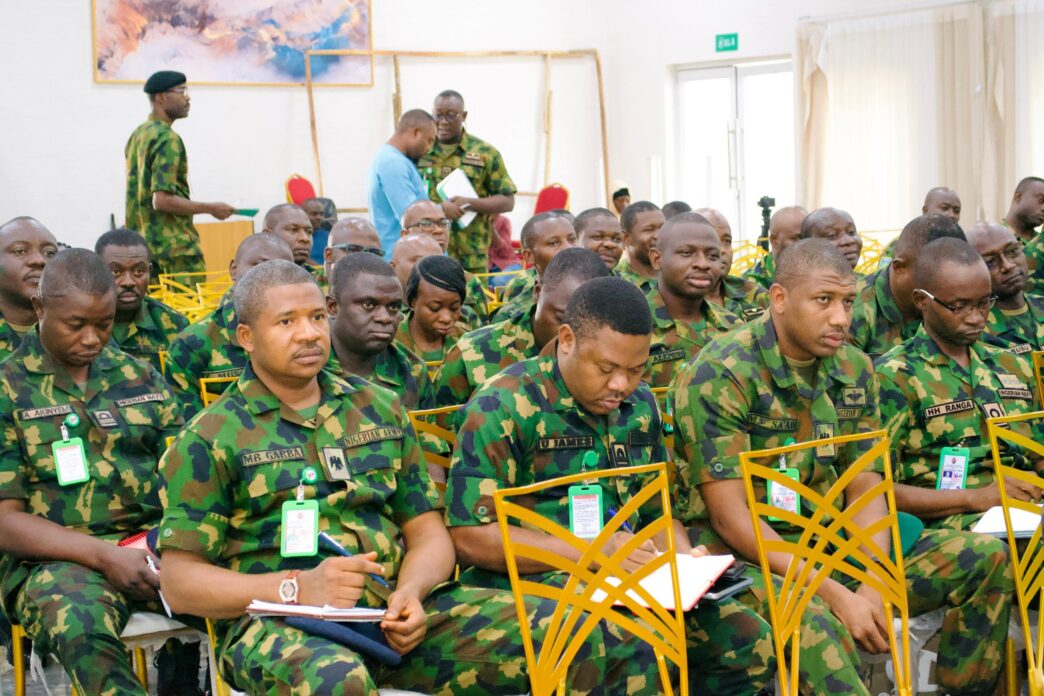
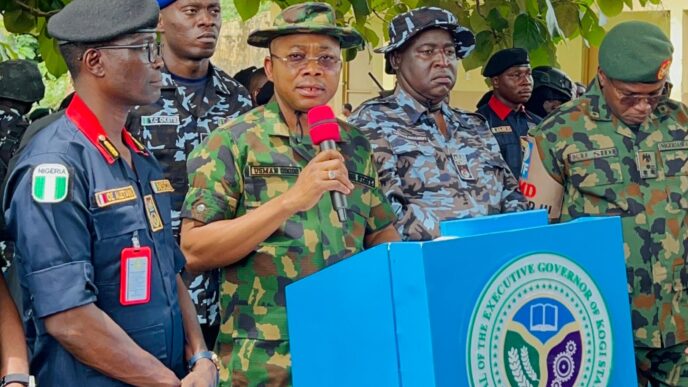
Participants of the Senior Course 48 of the Armed Forces Command and Staff College continued their study tour to Kogi State with strategic engagements involving key ministries in the state on the role of community participation in promoting peace, security, and development.
Speaking the Commissioner for Information and Communications, Kingsley Fanwo, emphasized the importance of leadership and dialogue in conflict prevention and peacebuilding.
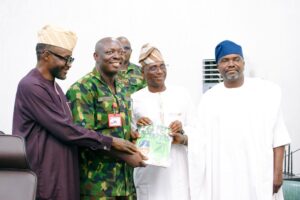
Fanwo explained that shortly after emerging as the candidate of the All Progressives Congress in 2023, Governor Ahmed Usman Ododo prioritized consultations and reconciliation across political divides to reduce tensions that could have arisen from the electoral process.
“His first assignment was to go and talk to people. Consultations reduce tensions and ensure that we do not have a turbulent electoral process. When you engage people, they are able to express their grievances, and the government is able to address them. By doing so, you reduce tension and enhance security,” he stated.
The commissioner also highlighted the “Kogi Dialogue” initiative organized during the governor’s first anniversary in office, describing it as a deliberate effort to foster inclusiveness and collective responsibility among stakeholders in the state.
On his part, the Commissioner for Local Government and Chieftaincy Affairs, Abdullahi Bello, described community engagement as a critical component of national security and prosperity.
“Security is no longer the sole responsibility of security agencies alone. It is a collective obligation that requires the active participation of government institutions, traditional rulers, community leaders, youth groups, and citizens,” Bello said.
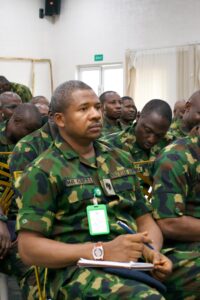
According to him, the state government has continued to strengthen collaboration among traditional councils, vigilante groups, and conventional security agencies to ensure rapid response to security challenges.
Bello also revealed that traditional rulers in the state are engaged quarterly to ensure proper monitoring of land allocation and prevent criminal elements from infiltrating communities.
“We motivate our traditional rulers regularly so they do not fall prey to criminal influences. Their role is critical in maintaining peace at the grassroots,” he said.
Also speaking, the Commissioner for Education, Wemi Jones, said the state government is leveraging education as a strategic tool to combat insecurity and prevent radicalization among youths.
“When a mind is not informed, that mind is deformed. And a deformed mind can easily be influenced towards radicalism, banditry, terrorism, and other social vices,” he stated.
Jones noted that the government’s education reforms are targeted at reducing illiteracy and building a society where terrorism and criminality cannot thrive.
“With guns, you can kill terrorists, but with education, you can kill terrorism. That is our philosophy in Kogi State,” he declared.
The commissioner disclosed that the state developed a comprehensive Education Sector Plan covering 2021 to 2030 to guide long-term educational reforms and investments.
“We are not expecting returns from education because it is a public service. What we want is a highly educated population that can contribute meaningfully to society and national development,” he added.
The engagement ended with an interactive session where participants and stakeholders made several recommendations to the state government. Among the appeals raised were the provision of health insurance coverage for hunters assisting in community security operations and the enactment of laws compelling parents and guardians to send their children to school.
The study tour forms part of the practical training programme of the Armed Forces Command and Staff College aimed at exposing senior military officers to governance strategies, civil-military relations, and community-based approaches to national security.





GIPHY App Key not set. Please check settings