


By Jane Salihu
Nigeria’s basic education sector is witnessing renewed momentum as digital-driven reforms by the Universal Basic Education Commission (UBEC) have improved learning conditions for about 8.7 million pupils and strengthened the capacity of more than 244,000 teachers across the country.
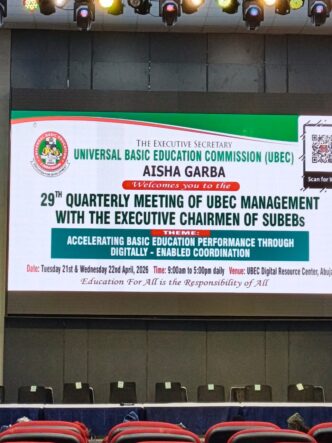
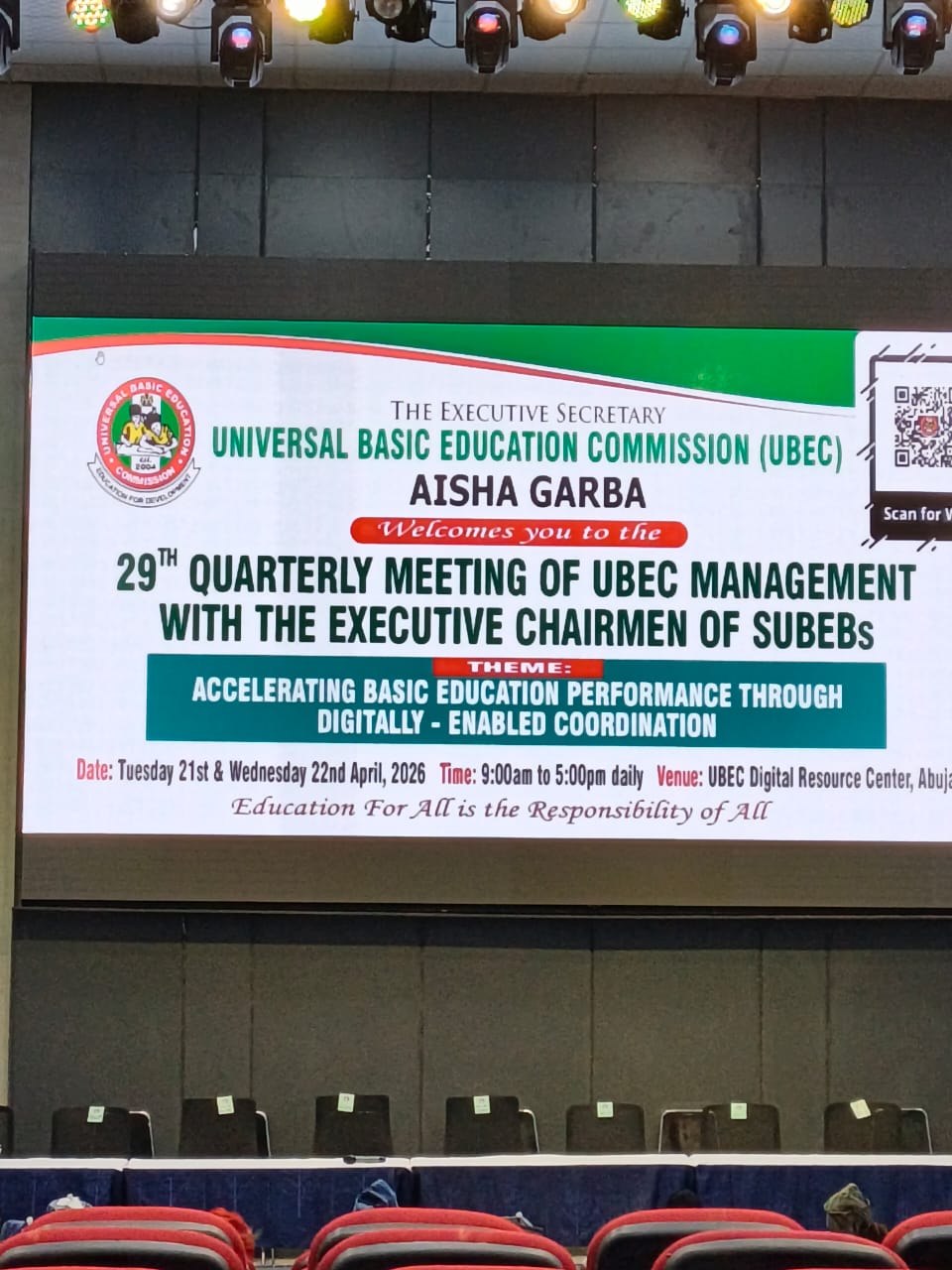
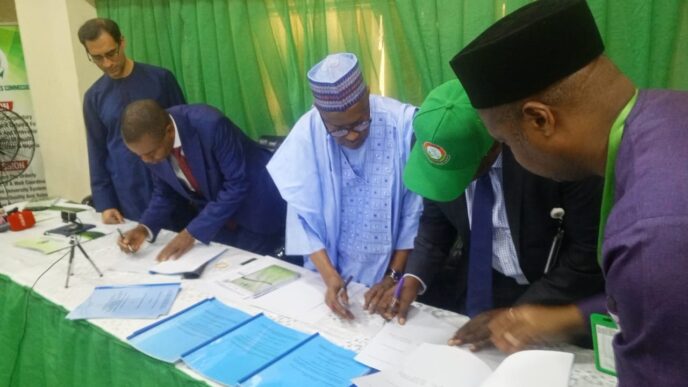
The Executive Secretary of UBEC, Aisha Garba, disclosed this on Tuesday during the opening of the commission’s 29th quarterly meeting with Executive Chairmen of State Universal Basic Education Boards (SUBEBs) held in Abuja.
The meeting, themed “Accelerating Basic Education Performance Through Digitally Enabled Coordination,” brought together education administrators to review progress and strengthen collaboration in implementing basic education policies nationwide.
Garba said the reforms were being driven under the commission’s 2025–2031 Strategic Blueprint, which focuses on improving the delivery of basic education through stronger coordination, accountability and measurable outcomes across states.
She explained that the commission had shifted its approach in recent years from merely identifying challenges in the sector to implementing large-scale reforms designed to address systemic gaps and improve classroom experiences for learners.
According to her, part of the intervention includes expanding access to instructional materials and improving the overall learning environment for pupils in public schools.
She noted that teacher development remained a central pillar of the reforms, with more than 244,000 teachers already trained in digital literacy and inclusive teaching methods to strengthen instructional delivery in classrooms.
Garba also highlighted progress in the utilisation of basic education funding, revealing that sustained engagement with state governments helped unlock over N100 billion in previously unaccessed matching grants.
She added that 30 states and the Federal Capital Territory were currently accessing these funds, while revised guidelines had been introduced to improve transparency and efficiency in the use of education resources.
The UBEC boss further disclosed that project implementation had improved significantly, with the commission recording about a 95 per cent completion rate for its 2024 intervention projects across the country.
On digital transformation, Garba said the commission was prioritising the integration of technology into teaching and learning through the Digitalisation of Public Schools Initiative implemented in partnership with the Federal Ministry of Education.
She said the initiative was helping to expand digital learning platforms in schools while also improving teachers’ capacity to use technology to deliver more interactive lessons.
Garba therefore urged state education boards to embed digital tools in their planning, monitoring and implementation processes to ensure better coordination and accountability within the basic education system.
Also speaking, the Chairman of the Kwara State Universal Basic Education Board, Shehu Adaramaja, stressed that the adoption of digital tools had become critical for effective coordination between the UBE programme and state education authorities.
He warned that delays in communication and fragmented processes often undermine the effectiveness of education policies, even when such policies are well designed.
In his remarks, Jutaro Sakamoto of UNICEF emphasised the importance of continuous teacher training and pledged the organisation’s support toward strengthening Nigeria’s universal basic education sub-sector.





GIPHY App Key not set. Please check settings