


By Jane Salihu
The ECOWAS Parliament has adopted a series of strategic measures aimed at strengthening the protection of children living and working on the streets across West Africa.
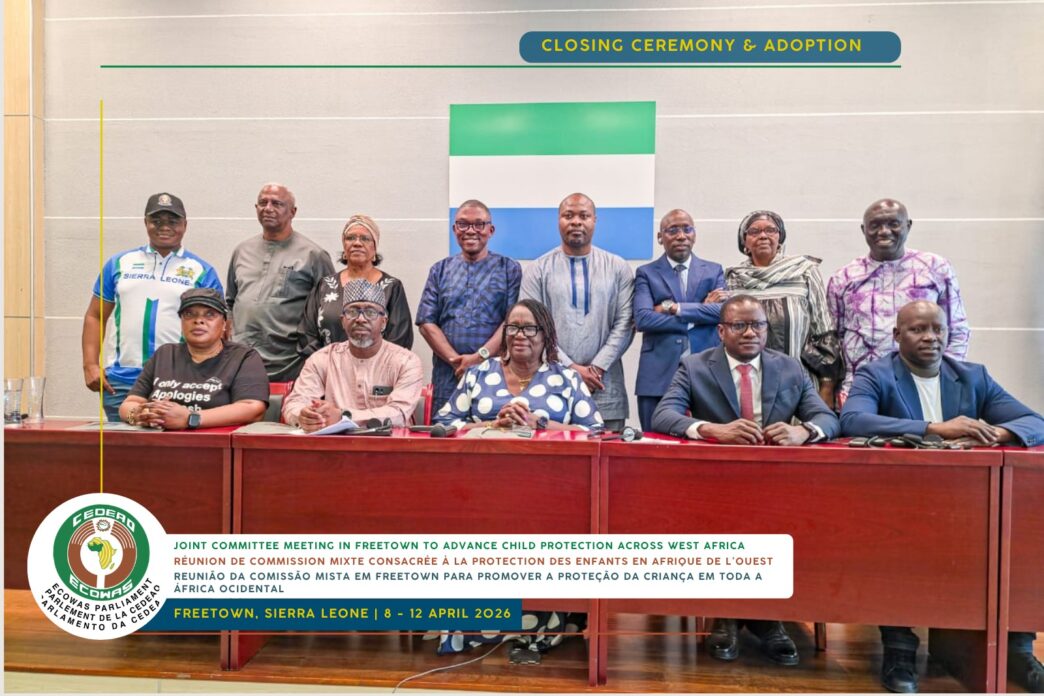
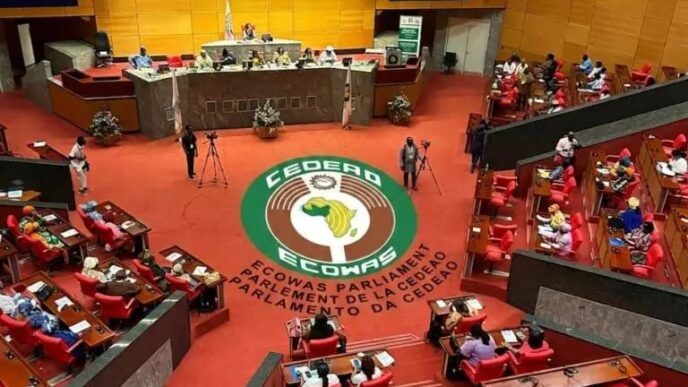
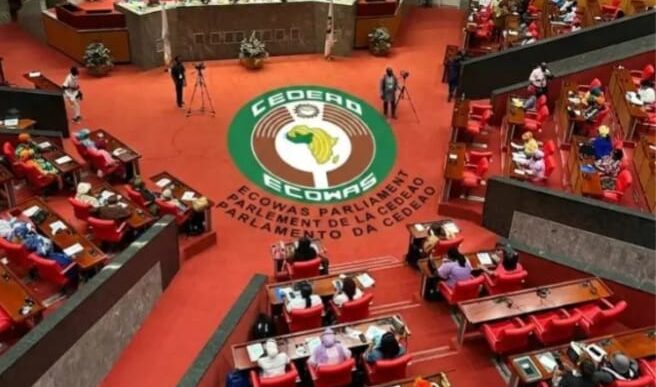
The resolutions were reached during a joint committee meeting held in Freetown, Sierra Leone from April 7 to 11, 2026. The meeting brought together parliamentarians, government representatives, regional institutions, and civil society groups to address the growing crisis of children in street situations across the region.
Lawmakers expressed concern that economic hardship, rapid urbanisation, displacement, and recurring humanitarian challenges have significantly increased the number of vulnerable children across West Africa.
The joint committee emphasized the need for urgent action, noting that many existing policies remain weakly enforced due to limited institutional capacity and inadequate funding.
“We must move beyond policy frameworks to concrete implementation supported by clear targets and adequate financing,” the committee stated.
As part of the adopted measures, Member States were urged to develop and operationalise well funded national strategies that address the needs of children in street situations. These strategies should guarantee access to essential services such as education, healthcare, legal identity, and child friendly justice systems.
The committee also stressed the importance of tackling the root causes of child vulnerability, including poverty and weak social protection systems. Governments across the region were encouraged to expand social protection programmes, strengthen family support structures, and implement poverty reduction initiatives to prevent children from ending up on the streets.
Recognising that child vulnerability often crosses national borders, the lawmakers called for a harmonised regional framework to address the issue more effectively. They also recommended stronger data driven decision making through improved and synchronised data collection systems among Member States.
The ECOWAS Commission was urged to establish cross border protection and referral systems, as well as develop safe repatriation and reintegration protocols for affected children.
Participants also highlighted the importance of the ECOWAS Child Rights Information Management System, describing it as a critical tool for improving transparency, tracking child protection interventions, and supporting evidence based policy decisions across the region.
At the end of the meeting, the committee reaffirmed its commitment to stronger legislative action and oversight, pledging to push for the adoption of a Parliamentary Resolution on children in street situations to strengthen monitoring of child protection frameworks across Member States.
The lawmakers said translating policy commitments into measurable action remains essential to protecting vulnerable children and securing the long term stability and development of West Africa.
GIPHY App Key not set. Please check settings