


Jane Salihu
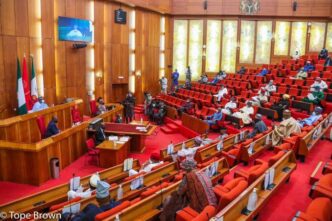
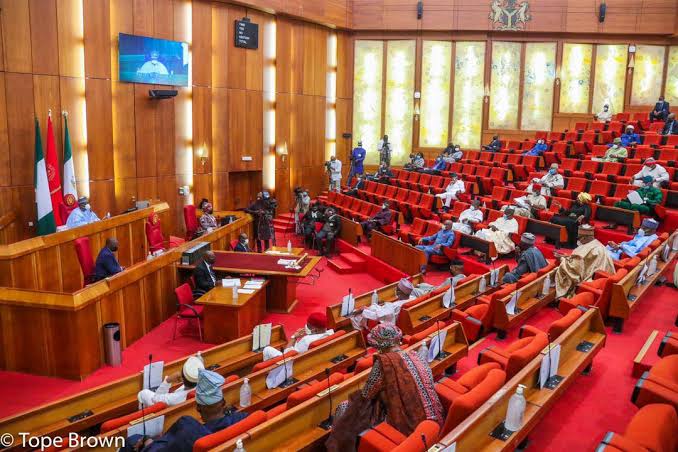
The Senate has raised serious concerns over the credibility of Nigeria’s annual budget framework, citing unrealistic assumptions and persistent failures in capital project implementation, as it reviewed the N58.472 trillion 2026 budget proposal.
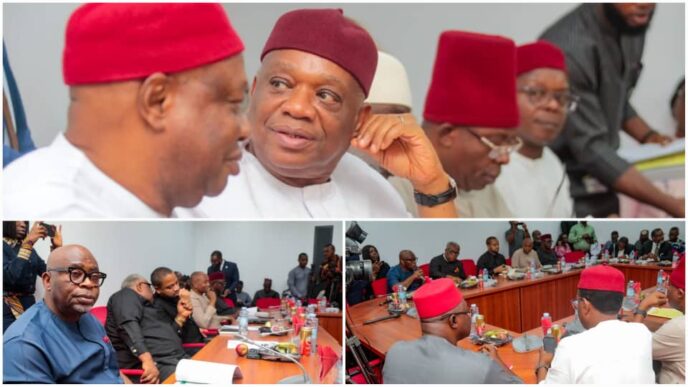
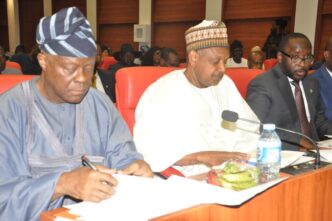
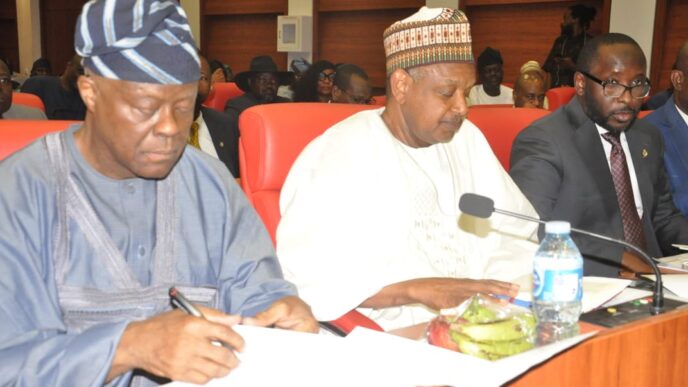
At an interactive session with the federal government’s economic team on Thursday, the Senate Committee on Appropriations faulted the pattern of low or zero releases for capital projects across Ministries, Departments and Agencies (MDAs), describing it as a recurring weakness that undermines development planning.
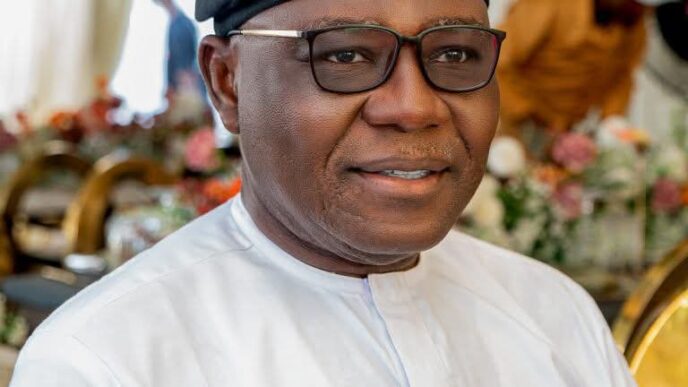
Chairman of the committee, Senator Solomon Olamilekan Adeola (Ogun West), questioned the feasibility of the 2026 budget projections and pressed the executive to conclude the capital components of the 2024 and 2025 budgets by March 31, 2026, warning that unimplemented budgets weaken public confidence.
The Minister of Finance and Coordinating Minister of the Economy, Mr. Wale Edun, told lawmakers that funding for the capital components of the 2024 and 2025 budgets was ongoing, but his response failed to satisfy the committee, which demanded clearer timelines and measurable outcomes.
Intervening, the Chairman of the Nigeria Revenue Service (NRS), Dr. Zacch Adedeji, argued that unrealistic assumptions were at the root of poor budget performance, stressing that implementation depends on credible revenue projections rather than ambitious figures.
“Budget funding must come from realistic projections. Efficiency is not about the size of the budget but about how much can actually be implemented,” Adedeji said, warning that spending based on exaggerated revenue expectations could worsen fiscal pressures.
However, Senator Adeola countered that the projections originated from the executive arm, including the revenue agencies, and pointed to wide gaps between projected and actual oil revenue performance, questioning the basis for improved forecasts amid persistent underperformance
He also raised concerns over rising debt levels, suggesting that asset disposals could help reduce the debt stock and lower future borrowing costs, as the committee weighed whether to cut the size of the 2026 budget or proceed with adjustments.
In her response, the Minister of State for Finance, Dr. Doris Nkiruka Uzoka-Anite, assured lawmakers that outstanding 2024 capital payments would begin immediately and that full implementation of the 2025 capital budget would commence once MDAs submit their cash plans, adding that the government’s financial management system had been restored.
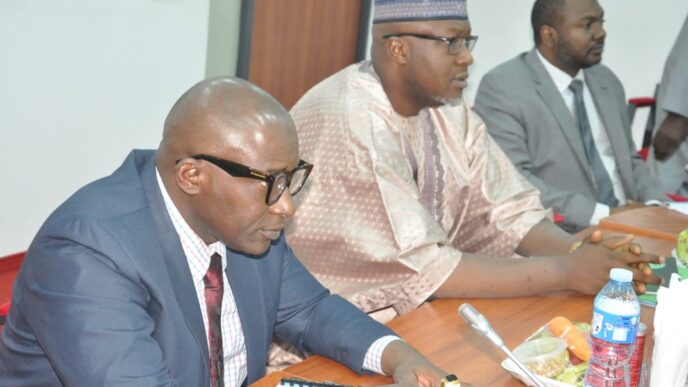
The committee later held a closed-door session with the economic team, including the Minister of Budget and Economic Planning, Senator Atiku Bagudu, and the Accountant-General of the Federation, Shamsedeen Babatunde Ogunjimi, as deliberations continued on aligning the 2026 budget with realistic fiscal realities.

GIPHY App Key not set. Please check settings