


Jane Salihu
The Senate has raised concerns over persistent funding gaps and the continued use of the envelope budgeting system for Nigeria’s security and intelligence agencies, warning that the practice is undermining the nation’s capacity to respond effectively to growing security threats.
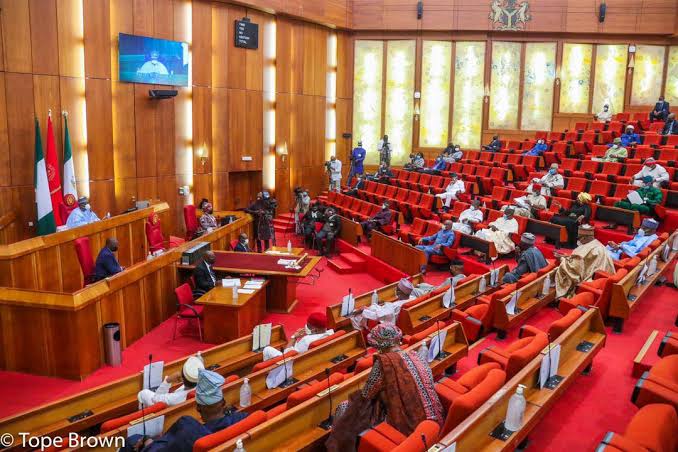
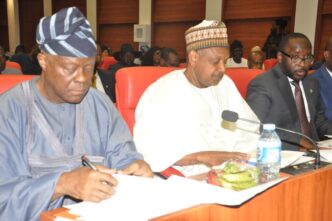
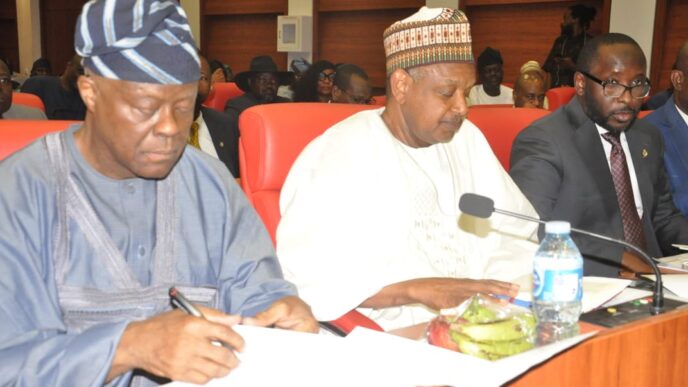
Chairman of the Senate Committee on National Security and Intelligence, Senator Yahaya Abdullahi, expressed the concern on Wednesday during the 2026 budget defence session with the Permanent Secretary, Special Services, Office of the National Security Adviser (ONSA), Mohammed Sanusi.
Abdullahi said the committee’s engagement was aimed at scrutinising budgetary provisions for the intelligence community, particularly in light of President Bola Tinubu’s recent declaration of a national emergency on security.
According to him, funding for security agencies must reflect the scale and complexity of Nigeria’s security challenges, stressing that inadequate financing would hamper operational effectiveness.
He lamented that security and intelligence agencies were still constrained by the envelope budgeting framework, which he described as disconnected from actual operational needs.
The lawmaker also criticised the non-release and partial release of capital funds allocated to security agencies in the 2024 and 2025 fiscal years, noting that the situation had negatively affected procurement of modern equipment and operational capabilities.
Abdullahi urged the National Assembly to ensure that the intelligence community receives adequate resources to protect lives and property across the country.
Meanwhile, a member of the committee, Senator Orji Uzor Kalu of Abia State, commended the security and intelligence agencies for their punctual appearance before the committee, contrasting it with previous instances where some officials arrived late for budget hearings.
Kalu described budget defence sessions as critical to national governance, warning that delays by government officials undermine legislative oversight and constitutional responsibilities.
In his presentation, Sanusi said the ONSA brief covered its operational centres, including the National Counter Terrorism Centre, National Cyber Security Coordination Centre, National Centre for the Control of Small Arms and Light Weapons, and the Presidential Amnesty Programme, among others.
He outlined key priorities for the 2026 fiscal year, including intensified efforts to combat terrorism, banditry and kidnapping through enhanced intelligence gathering and community-based strategies.
Sanusi, however, acknowledged that the intelligence community faced significant challenges in implementing the 2025 budget, citing the envelope budgeting system, irregular overhead releases, and the non-implementation of capital appropriations.
He appealed for supplementary funding following the declaration of a national security emergency, stressing that adequate financing was essential for timely and effective response to security threats.
“No nation can grow without adequate security,” Sanusi said.








GIPHY App Key not set. Please check settings