


Jane Salihu
The Ministry of Labour and Productivity has recorded a severe shortfall in capital budget releases in 2025, a development that hampered employment programmes, skills development initiatives, and factory inspection enforcement,
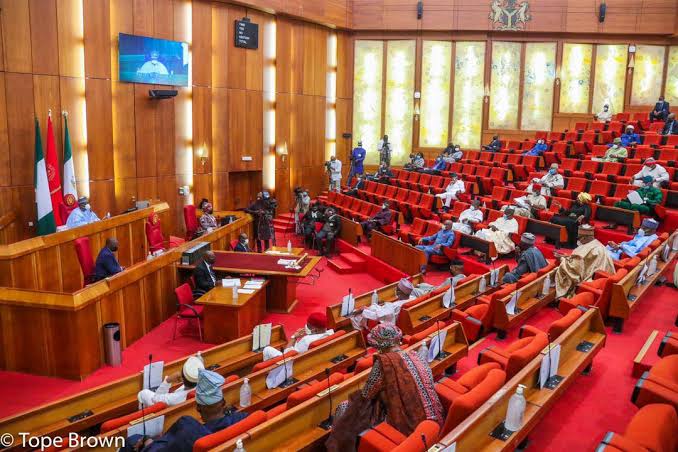
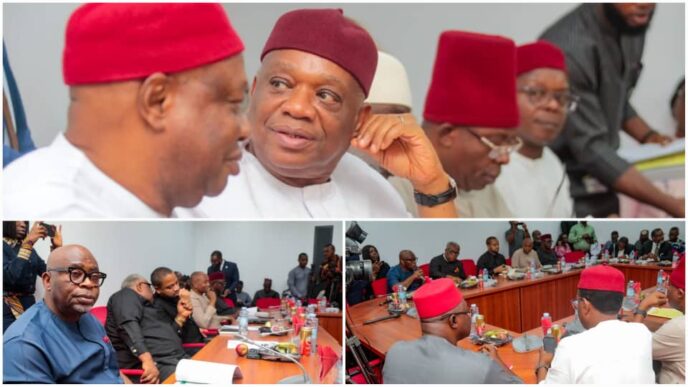
The Minister of Labour and Productivity, Muhammadu Dingyadi, disclosed this while defending the ministry’s 2026 budget proposal before the Senate Committee on Labour and Productivity in Abuja.
Presenting an overview of the ministry’s mandate, the Minister said the ministry plays a central role in promoting socio-economic stability, employment generation, industrial relations, labour regulation, dispute resolution, enforcement of labour standards, factory safety oversight and productivity enhancement.
He added that the ministry is also responsible for skills development, trade testing, workforce planning, labour migration governance, administration of international obligations, cooperation with multilateral institutions and promotion of labour mobility frameworks across Nigeria’s 36 states and the Federal Capital Territory.
Dingyadi said the ministry faced serious funding constraints in 2025, noting that it received a capital allocation of N5.103 billion, but only N403 million was released, representing 7.9 per cent performance.
He added that although the ministry had an overhead allocation of N1.323 billion, only N769.553 million was released, translating to 58.15 per cent performance.
“The severe shortfall in capital releases caused delays and rollbacks in employment and skills programmes, hindered rehabilitation of facilities and limited factory inspection enforcement coverage,” he said.
Despite the challenges, the Minister said the ministry prioritised labour dispute resolution, workplace safety monitoring, factory inspections, employment facilitation services, trade testing certifications and bilateral labour migration engagements.
He explained that the lack of capital funding prevented deployment of financial instruments, large-scale employment interventions and expansion of international commitments during the period.
The Minister warned that Nigeria risks suspension from the African Regional Labour Administration Centre (ARLAC) over outstanding statutory contributions, urging urgent intervention to meet international obligations.
He clarified concerns raised by lawmakers about funding to the International Labour Organisation (ILO), noting that payments to Geneva are not solely the responsibility of the ministry.
Members of the Senate Committee expressed concerns over gaps in factory inspection, workers’ welfare and unpaid benefits of civil servants, particularly in the education sector.
A senator urged the ministry to look inward and address grey areas, including strengthening factory inspection to protect workers’ rights and welfare.
Responding, Dingyadi said there are provisions for inspections and that the ministry conducts regular factory inspections nationwide.
The Committee Chairman, Senator Diket Plang, assured the ministry of the committee’s support to ensure improved funding, stressing the need for stronger collaboration in oversight, especially on workers’ welfare issues.
Plang also highlighted the importance of artisan training initiatives, particularly with the creation of development commissions, noting that trained and registered artisans could be empowered to export their products.
Dingyadi commended the committee for consistent oversight and support, and thanked President Bola Ahmed Tinubu for guidance and reforms that have strengthened labour administration and industrial harmony.


GIPHY App Key not set. Please check settings