


Jane Salihu
In a decisive move aimed at reshaping Nigeria’s electoral future, the Senate has constituted a special committee and handed it a tight 48-hour deadline to conclude work on the Electoral Act, 2022 (Repeal and Enactment) Bill, 2026. The development signals the Red Chamber’s determination to deliver a credible and transparent legal framework ahead of the 2027 general elections.
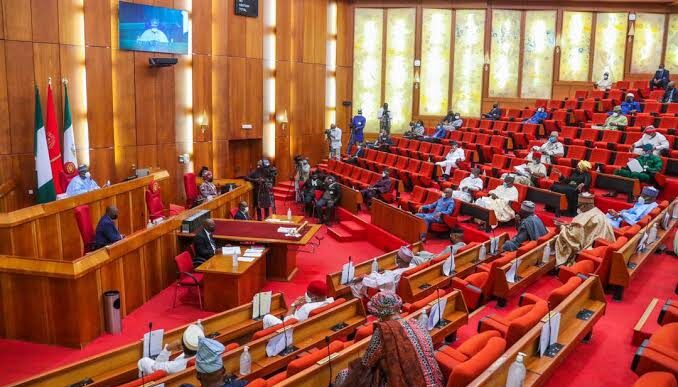
The directive was announced on Thursday by Senate President, Senator Godswill Akpabio, following an extensive closed-door session where lawmakers debated divergent positions on the proposed amendment. Akpabio said the urgency surrounding the bill informed the decision to streamline the process through a small but strategic committee.
According to him, the committee was established to collate, harmonise and distil the views of senators on the bill, paving the way for a smooth and informed final consideration by the full chamber. He stressed that the Senate was committed to addressing outstanding concerns that have trailed past elections.
The committee is chaired by the Chairman of the Senate Committee on Judiciary and Legal Matters, Senator Niyi Adegbonmire. Other members include Senators Adamu Aliero, Waziri Tambuwal, Adams Oshiomhole, Mohammed Goje, Tony Nwoye and Titus Zam, reflecting a blend of experience across party lines.
Akpabio disclosed that the panel has a maximum of three days to complete its assignment and submit its report ahead of the next plenary session scheduled for Tuesday. The Clerk of the Senate is to serve as secretary of the committee, providing administrative and technical support.
The proposed amendment to the Electoral Act is expected to introduce far-reaching reforms aimed at strengthening Nigeria’s electoral system. Lawmakers said the exercise is focused on improving transparency, enhancing voter confidence and ensuring broader participation in the democratic process.
Among the key proposals under consideration are the electronic transmission of election results, stiffer penalties for electoral offences and the expansion of voter identification options to curb fraud and malpractice. These measures are seen as critical to restoring public trust in the electoral process.
Senators noted that the accelerated timeline given to the committee underscores the urgency of putting in place a credible and effective legal framework well ahead of future elections. They added that delays could undermine preparations for the 2027 polls.
The Senate leadership reiterated its resolve to ensure that the amended Electoral Act reflects best practices and responds to the expectations of Nigerians.
The committee’s report is expected to guide the chamber’s final deliberation and could significantly shape the country’s electoral landscape in the years ahead.










GIPHY App Key not set. Please check settings