


Janet Salihu
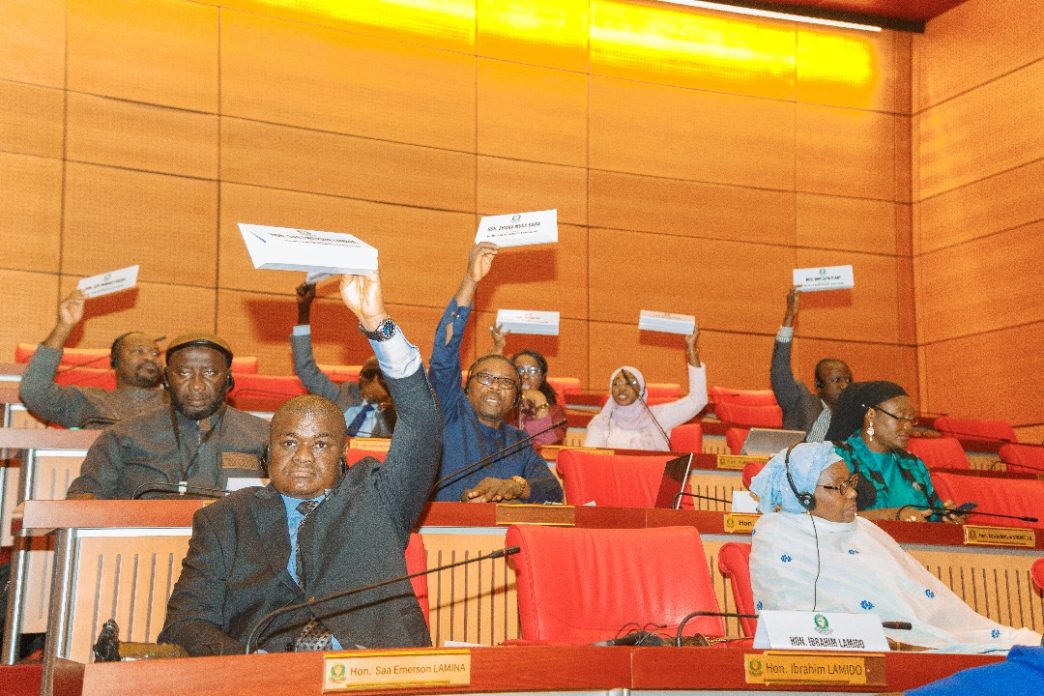
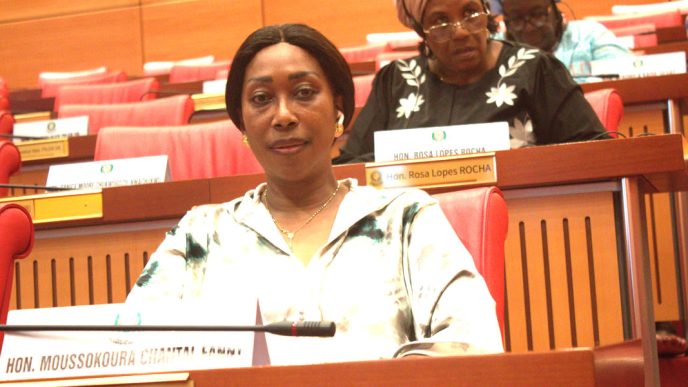
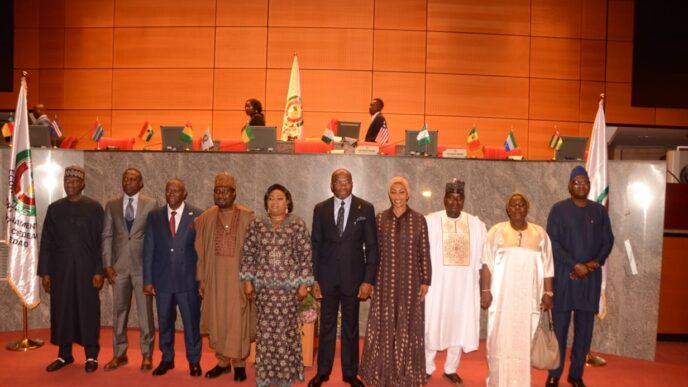
The ECOWAS Parliament on Wednesday held a highly charged plenary session as lawmakers scrutinised the unfolding political crisis in Guinea-Bissau, following an alleged unconstitutional takeover of government amid unresolved election results. Tensions ran high as members demanded immediate regional action to safeguard democracy in the sub-region.
Presenting the fact-finding report, Hon. Awaji-Inombek Abiante, who served as Rapporteur of the Committee on Political Affairs mandated to interface with key stakeholders on the situation, briefed the Parliament on engagements held with election observers, ECOWAS statutory organs on political stability, and MPs from Guinea-Bissau. He explained that the committee interfaced with members of the ECOWAS Election Observation Mission, including Ablai Iketa, Amadou Kamara, and Issach Lumina Pereira-Soureza, as well as Honourable Nelson, a candidate in the disputed election.
According to the report, political campaigns opened peacefully on 1 November, although overshadowed by the disqualification of a major opposition candidate. Observers were deployed across most regions except the east and south, and reported an orderly election day marked by high turnout and effective security. However, premature claims of victory by multiple parties heightened tensions, especially as the National Electoral Commission (NEC), constitutionally empowered to declare results, has still not announced any official outcome.
Hon. Abiante noted that on 26 November, gunfire erupted in the capital, leading to what many described as an unconstitutional takeover, variously referred to as a coup, palace coup, or arranged coup. ECOWAS and the African Union have since suspended Guinea-Bissau from their activities pending clarity on the political situation.
During the debate, lawmakers expressed deep concern that the crisis represented yet another blow to West Africa’s democratic stability.
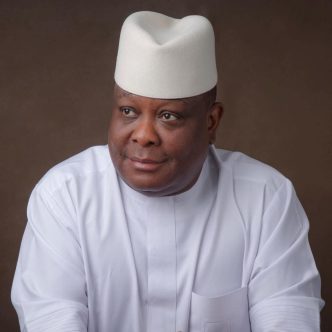
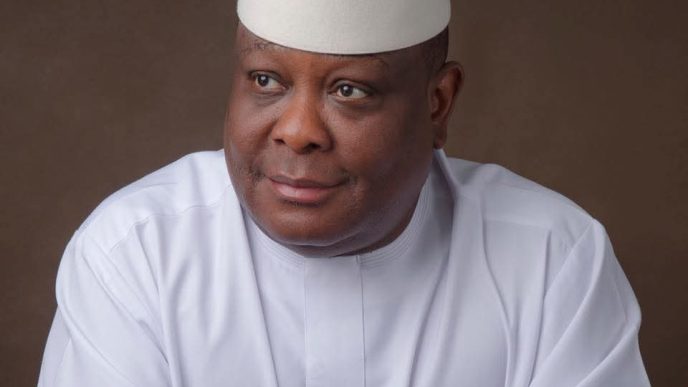
Honourable Osita Ugwu, a Nigerian lawmaker delivered one of the most passionate interventions, warning that the region could no longer afford to ignore early warning signs, citing the coordinated efforts that ensured the safe evacuation of former President Goodluck Jonathan through aircraft provided by ECOWAS leaders, he argued that the crisis required honesty rather than emotional responses, condemning the actions of what he termed “forgotten warlords” and insisting that the Guinea-Bissau Electoral Commission must immediately release the detained dissenters and publish the true election results. According to him, the results were still intact and must determine the rightful president.
Hon. Osita stressed that democracy in the sub-region must not become a caricature before the international community, insisting that orchestrated attempts to topple governments behind closed doors threatened West Africa’s credibility. He urged Parliament to rise in one voice to investigate the circumstances surrounding the alleged coup and compel the release of the election results. “Africa has grown,” he said, “and democracy must be allowed to grow with it.”
In her contribution, Honourable Ladi Ayamba (Ghana) expressed frustration that the warning signs in Guinea-Bissau had been ignored, just as in previous crises across West Africa, criticising ECOWAS for acting only after instabilities escalate, lamenting that Parliament had failed to intervene earlier despite knowing that Guinea-Bissau had been without a functioning national assembly twice in recent years. She argued that the situation should have prompted urgent preventive measures long before it reached the breaking point.
Hon. Ladi called for a strong parliamentary resolution compelling the immediate release of the full election results, insisting that if institutions already had them, claims of their destruction were unjustifiable, appealed to the two Guinea-Bissau MPs present to demonstrate unity and reaffirm their commitment to democratic governance, stressing that early warning mechanisms were essential, she questioned the silence of ECOWAS heads of state and urged the rapid deployment of ECOMOM to restore constitutional order. “We must not give space to selfish interests,” she warned, adding that the region must remain united in protecting democracy.
As more lawmakers attempted to speak, the session became increasingly rowdy, prompting the Speaker to call for order. Given the intensity of the concerns raised, she directed that the matter be referred to a closed-door committee meeting to craft a far-reaching resolution.
The Parliament thereafter empowered the committee to recommend urgent actions. Including an independent investigation into the alleged coup, immediate release of the election results, and enhanced diplomatic and security engagement. The House was subsequently adjourned to allow the committee to conclude its recommendations ahead of the next sitting.



GIPHY App Key not set. Please check settings